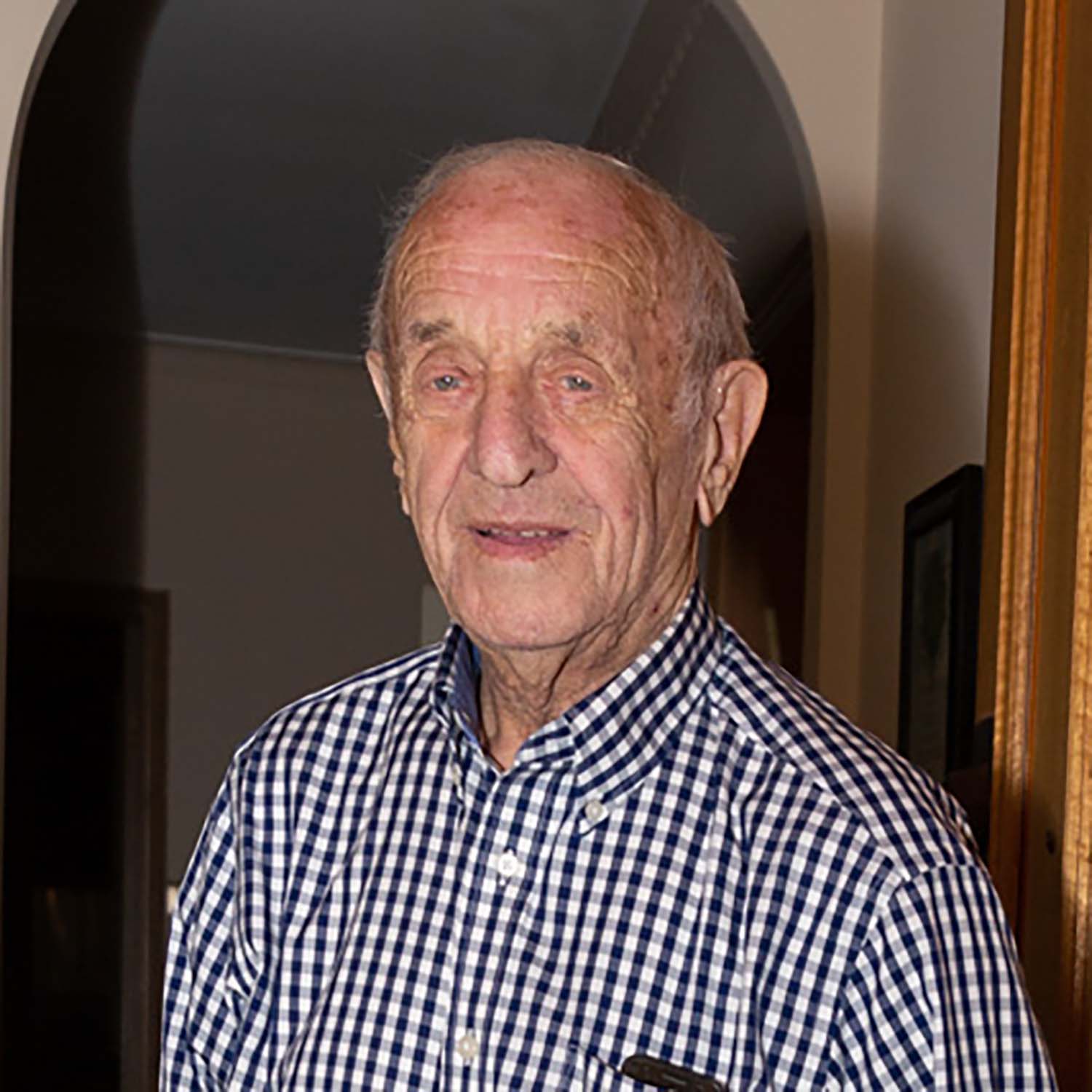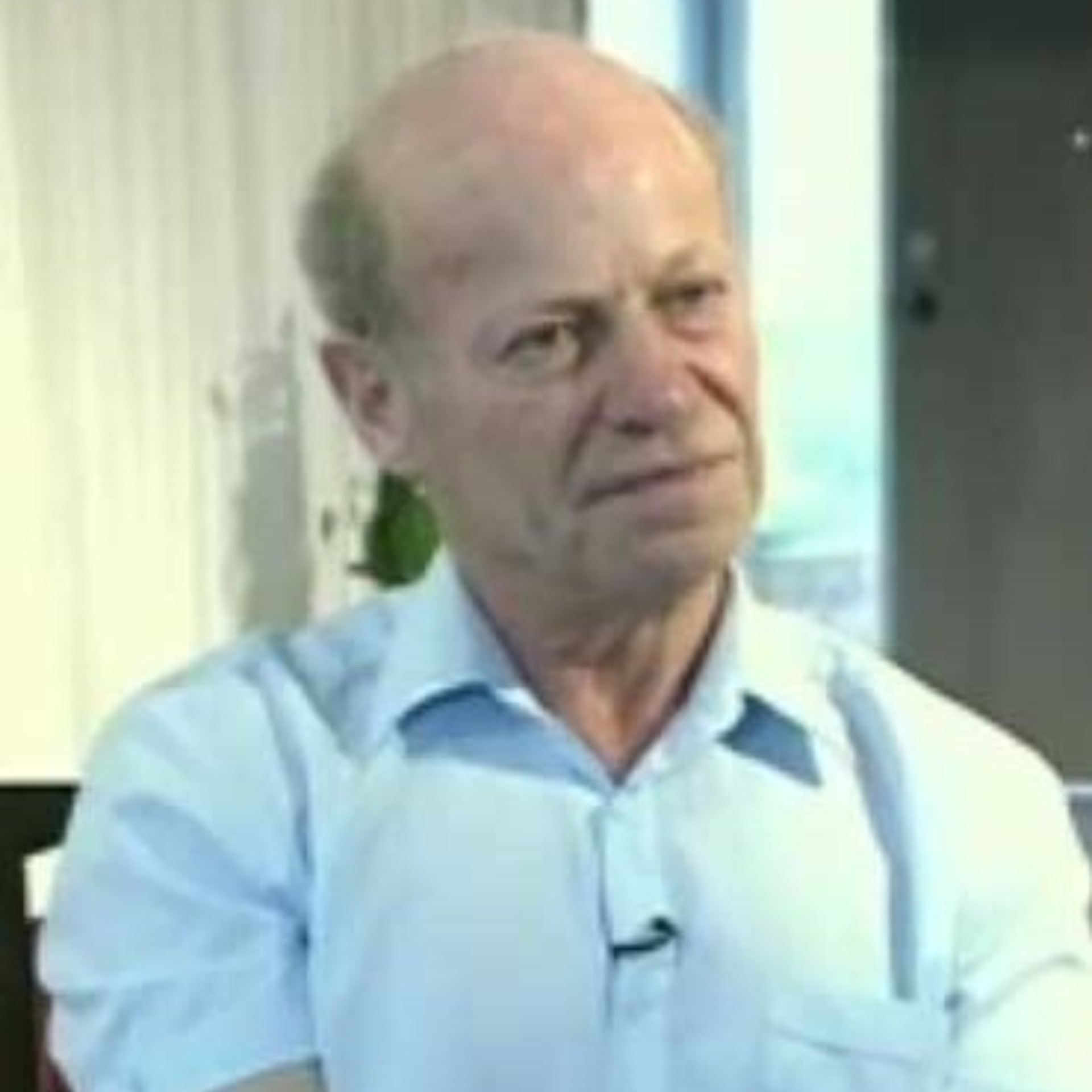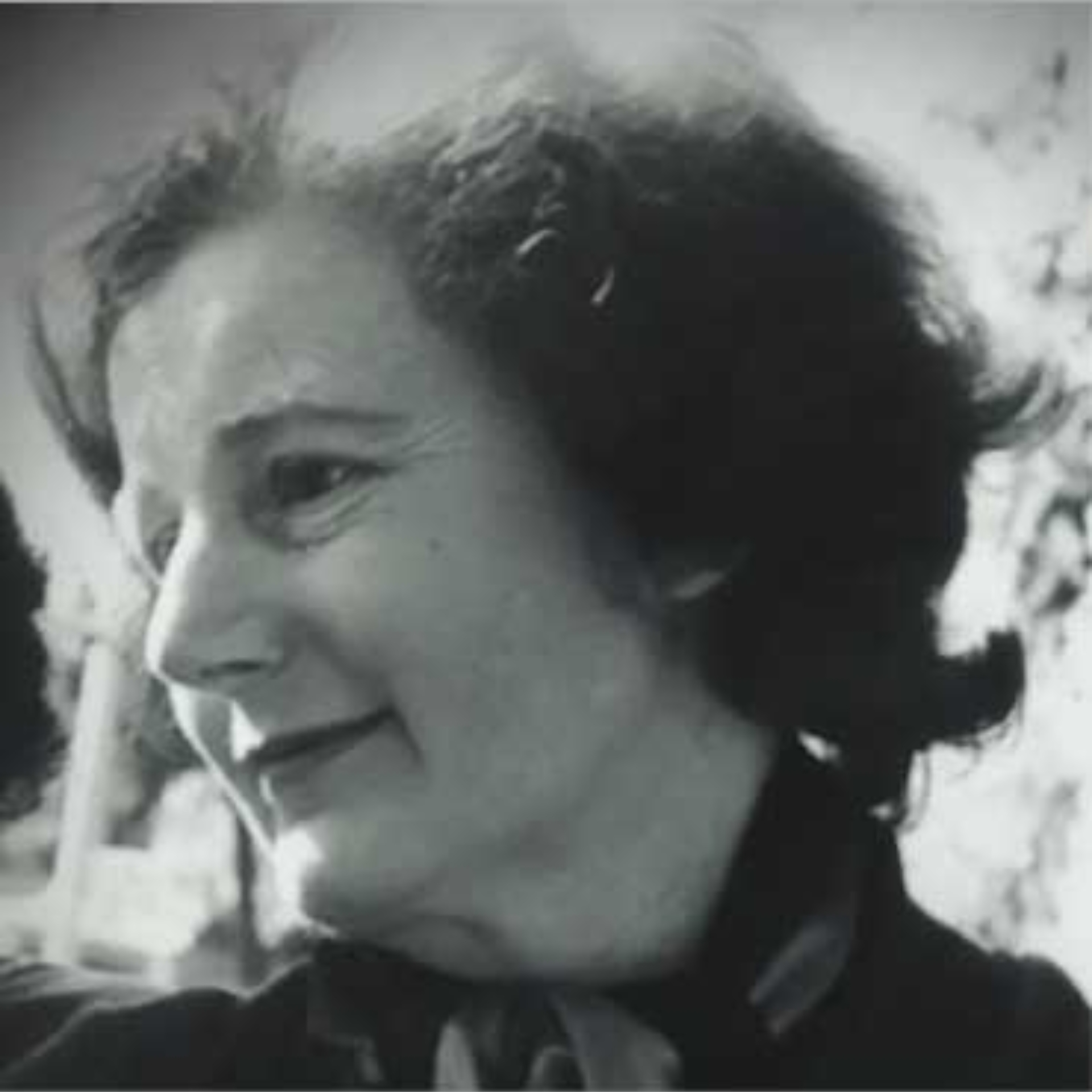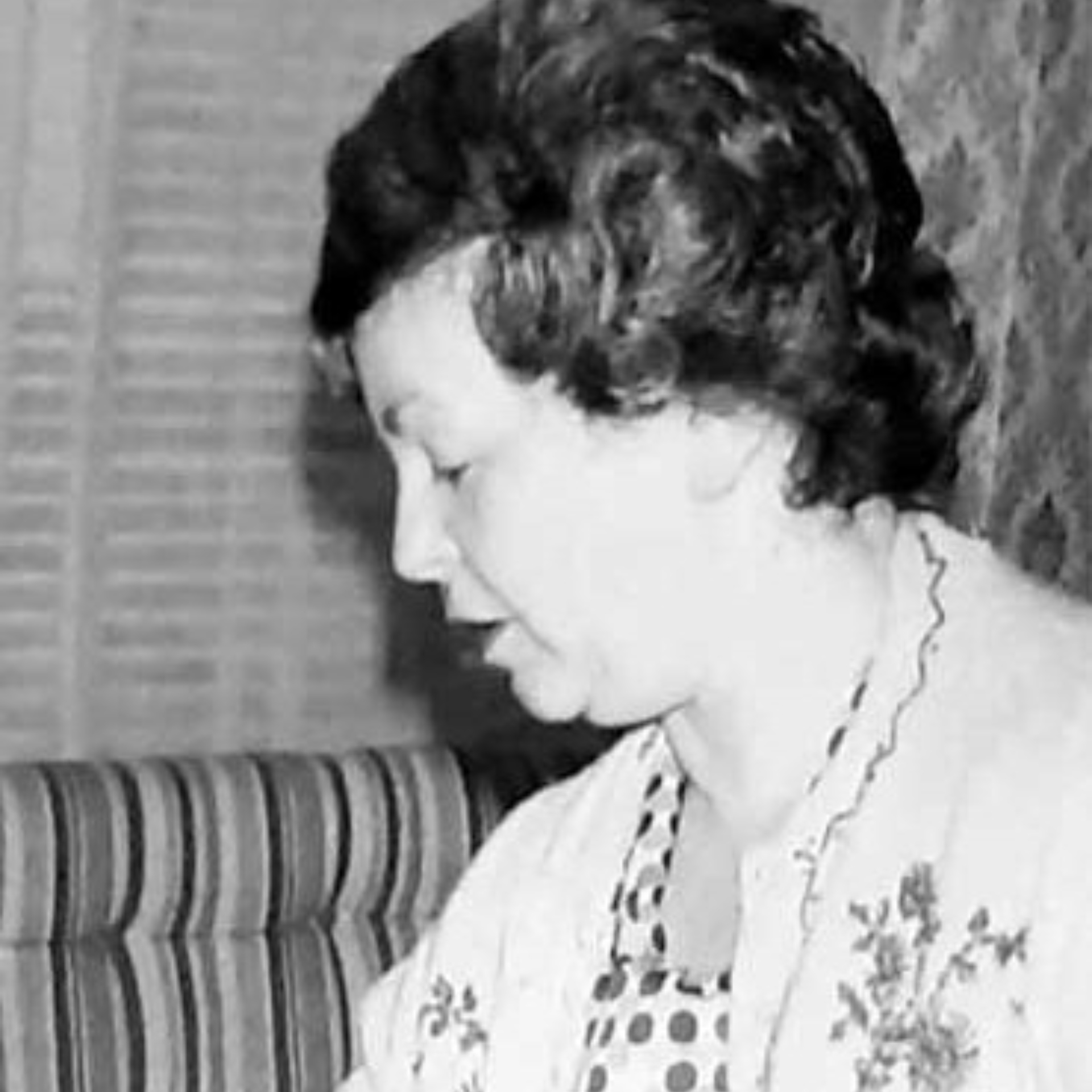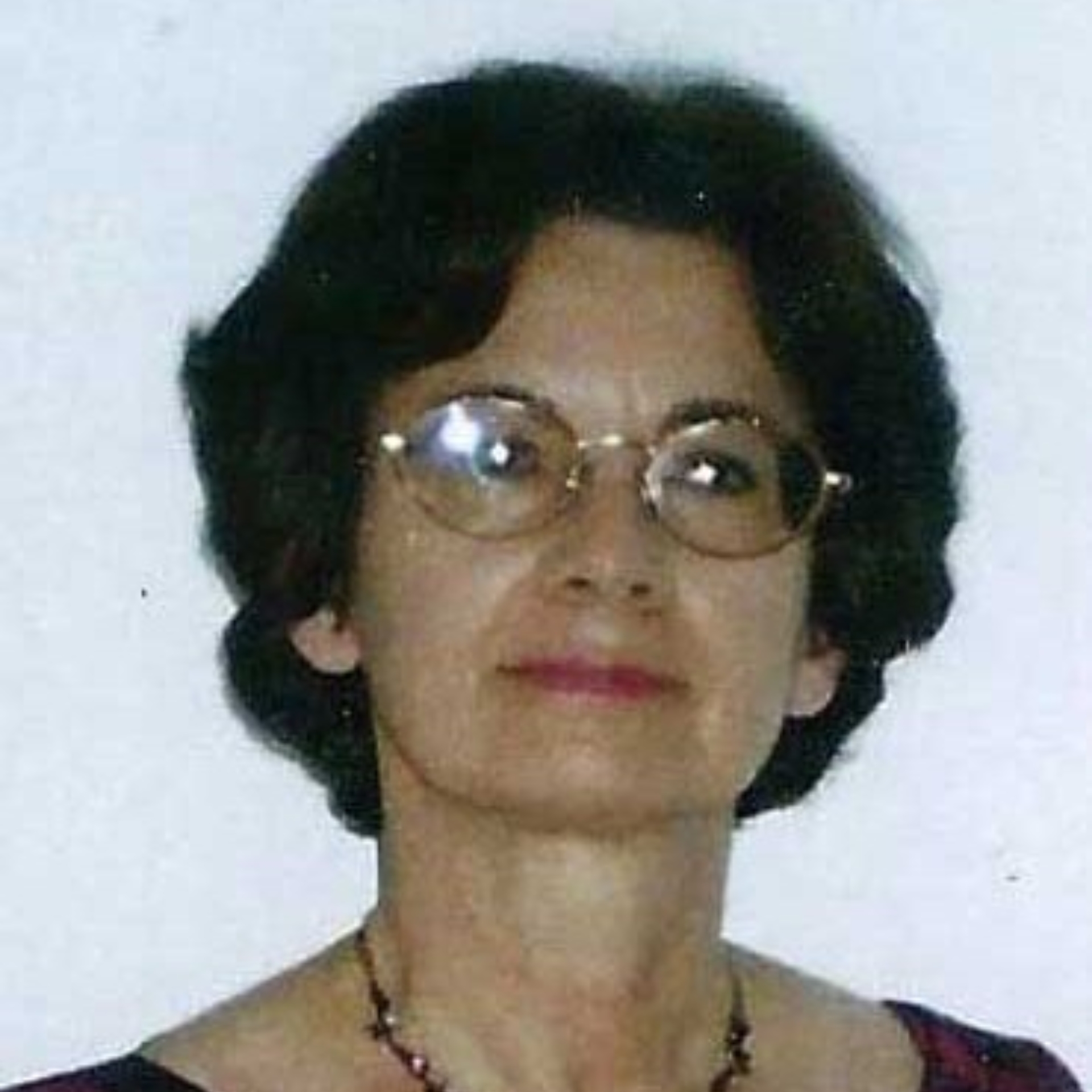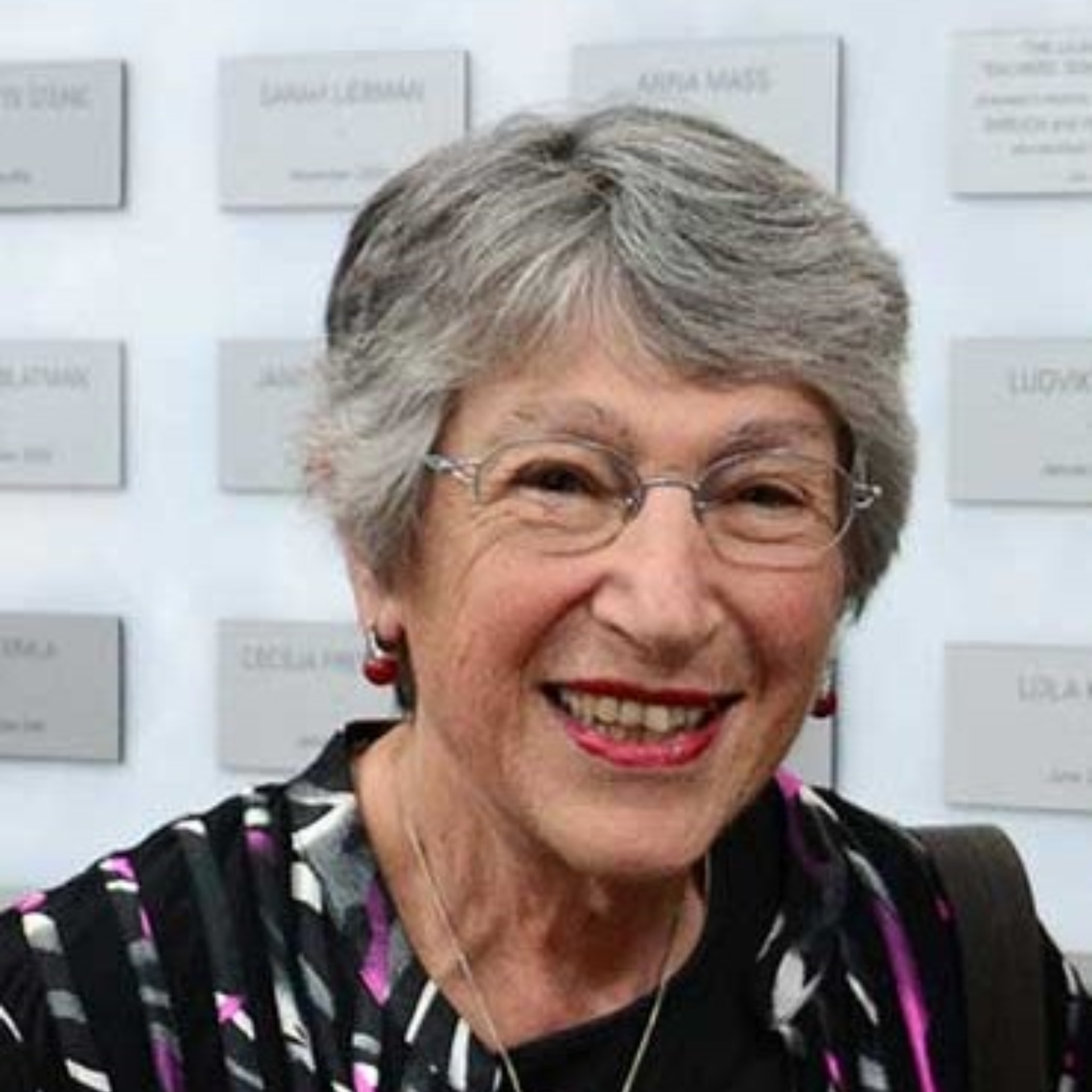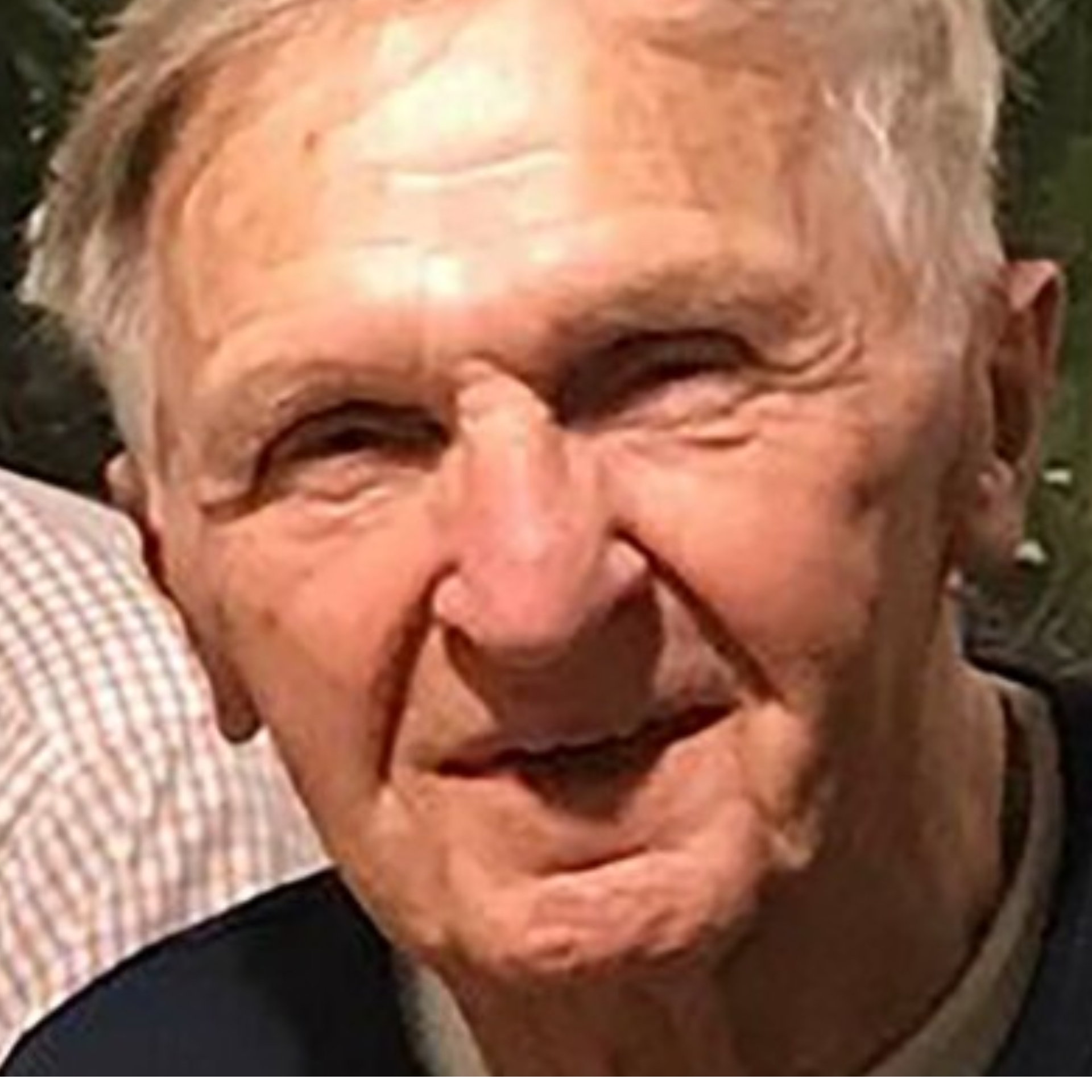
Henryk Kranz was born on 5 January 1938 in Boreslaw, not far from Lvov in what was then Galicia, Poland, and now the western part of Ukraine. He was the only son Franciska (Franka) nee Kaufman and Zygmunt. Their families were secular, culturally rather than religiously Jewish, well-educated and relatively small.
What should have been a secure and loving infancy was quickly snatched away by the outbreak of WW2 when Dad was one year of age. While that region of Poland was protected for a short while in the carve up between Germany and Russia, it soon ended and the Nazis arrived. The family was forced into a small ghetto, my grandfather was enlisted in slave labour, and mass executions and deportations began, including of their family members. It was while labouring that Dad’s father Zygmunt worked alongside a local man named Josef Baran and they struck up a kind of friendship. With the deportations and the noose closing in – the elderly, women and children being considered superfluous – Josef incredibly offered Zygmunt that they create a hiding place underground for the young family. They would live there for nearly three years between 1941-1944. This saved their lives. The families stayed in touch for decades (and are still, more than 80 years later). Josef and his wife Elenora were eventually recognised as Righteous Among the Nations by Yad Vashem.
After time in a DP camp and three years in Norway, Henryk arrived in Australia with his parents aged 12 in 1950. He went to Elwood Central and Melbourne High School and then studied medicine at the University of Melbourne. He trained to become a Neurologist and practised and taught over a long career. In 1967 he married Emma Hendel and they had three daughters, Sidra, Andrea and Justine. Grandchildren came later: Danita, Amira, Hannah, Iliya and Zev.
Memories of the Shoah and a sense of gratitude for the people that saved them were important to Zygmunt, whose sculptures of memory are on display at MHM, and to Henryk, who shared his story many times with Courage to Care students and in other settings. At the same time, he was always able to maintain a positive attitude to life and enjoy the company of family and friendship, being outdoors, good food and life’s many gifts.
Sidra Kranz Moshinsky