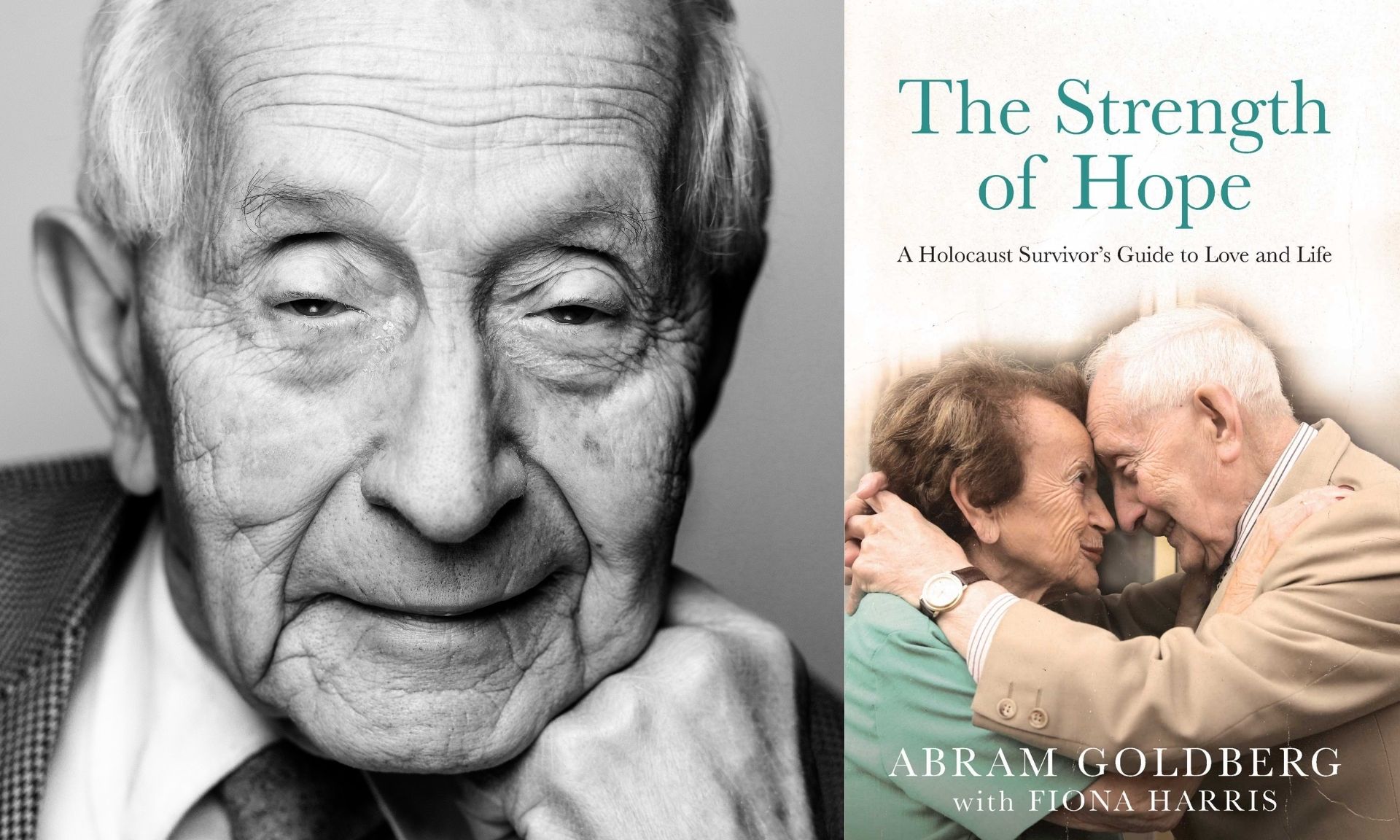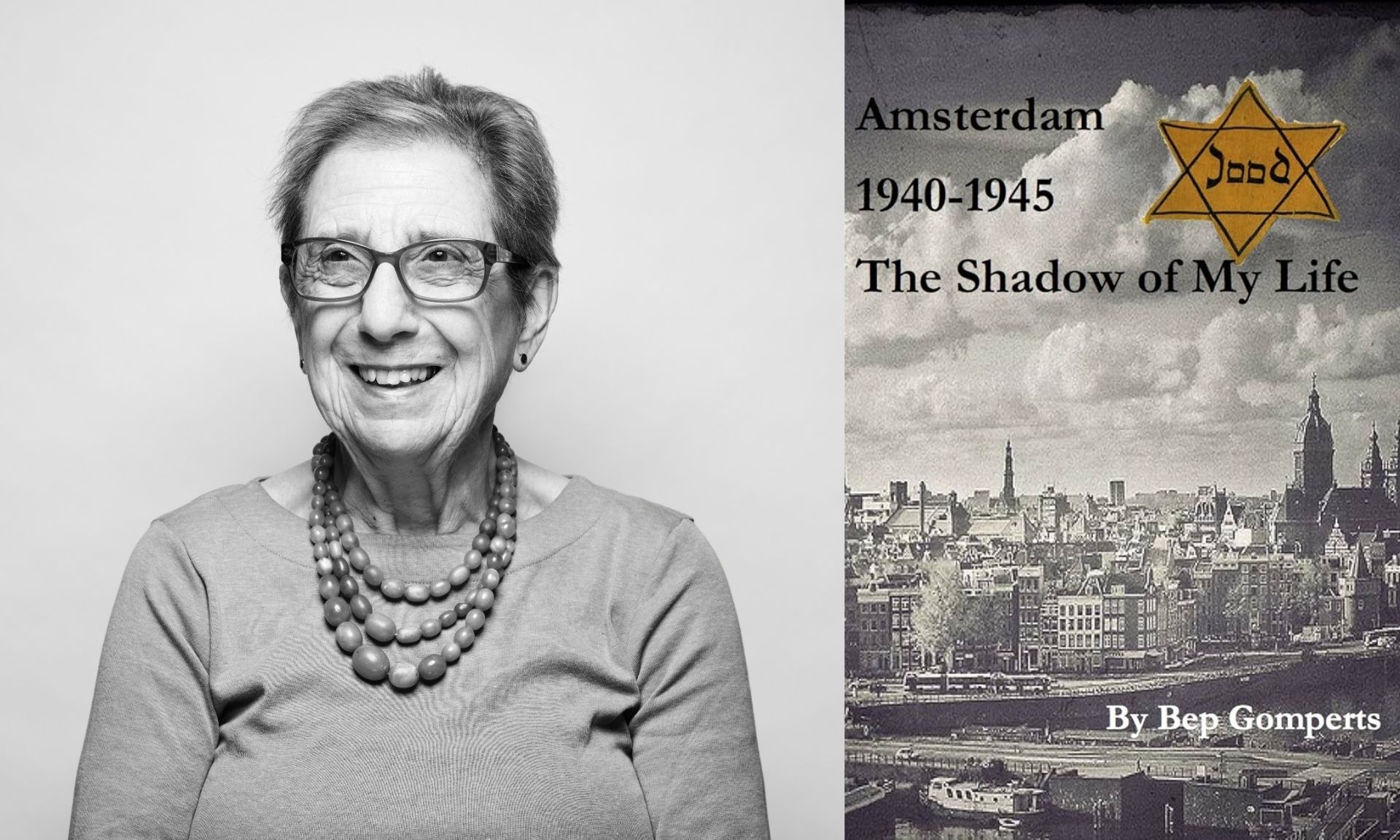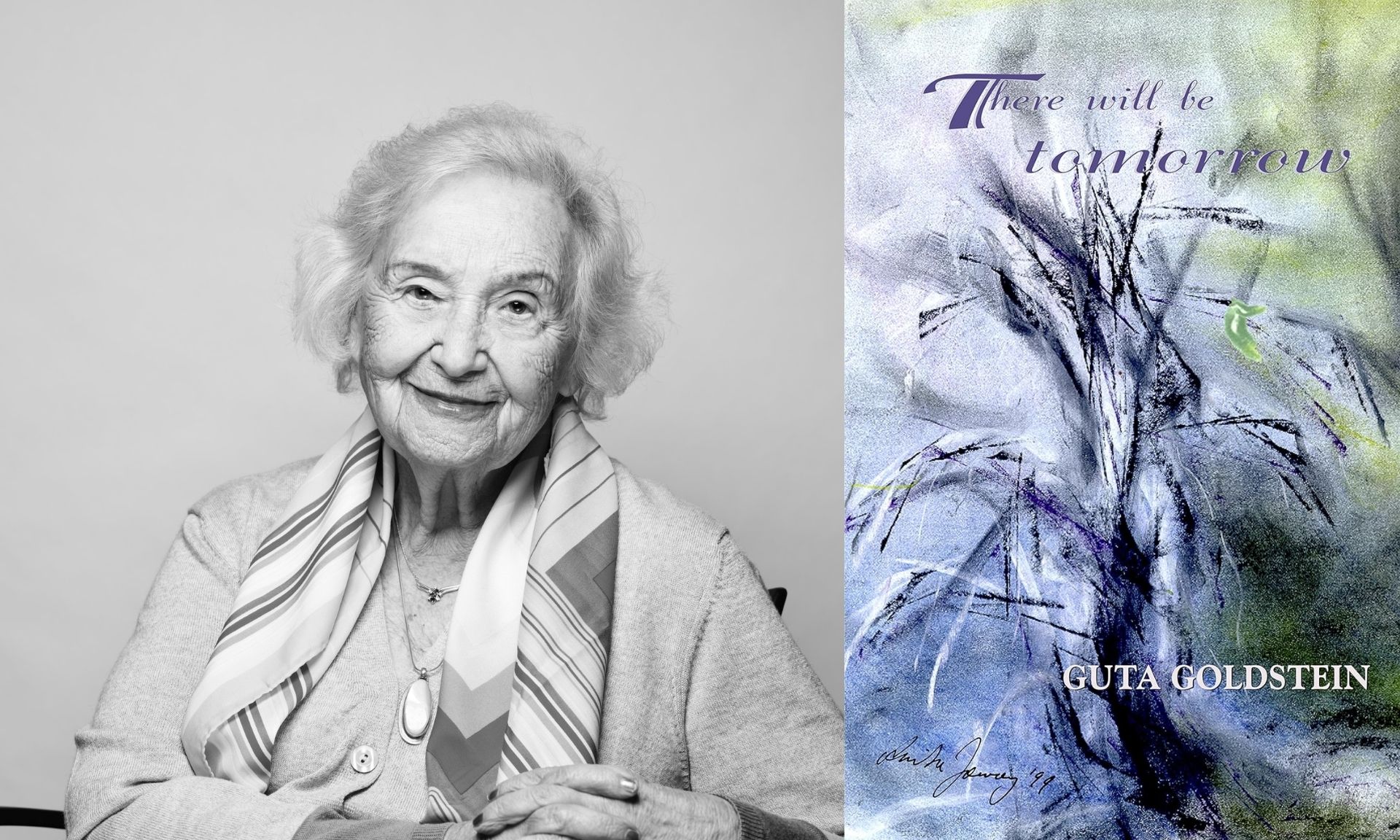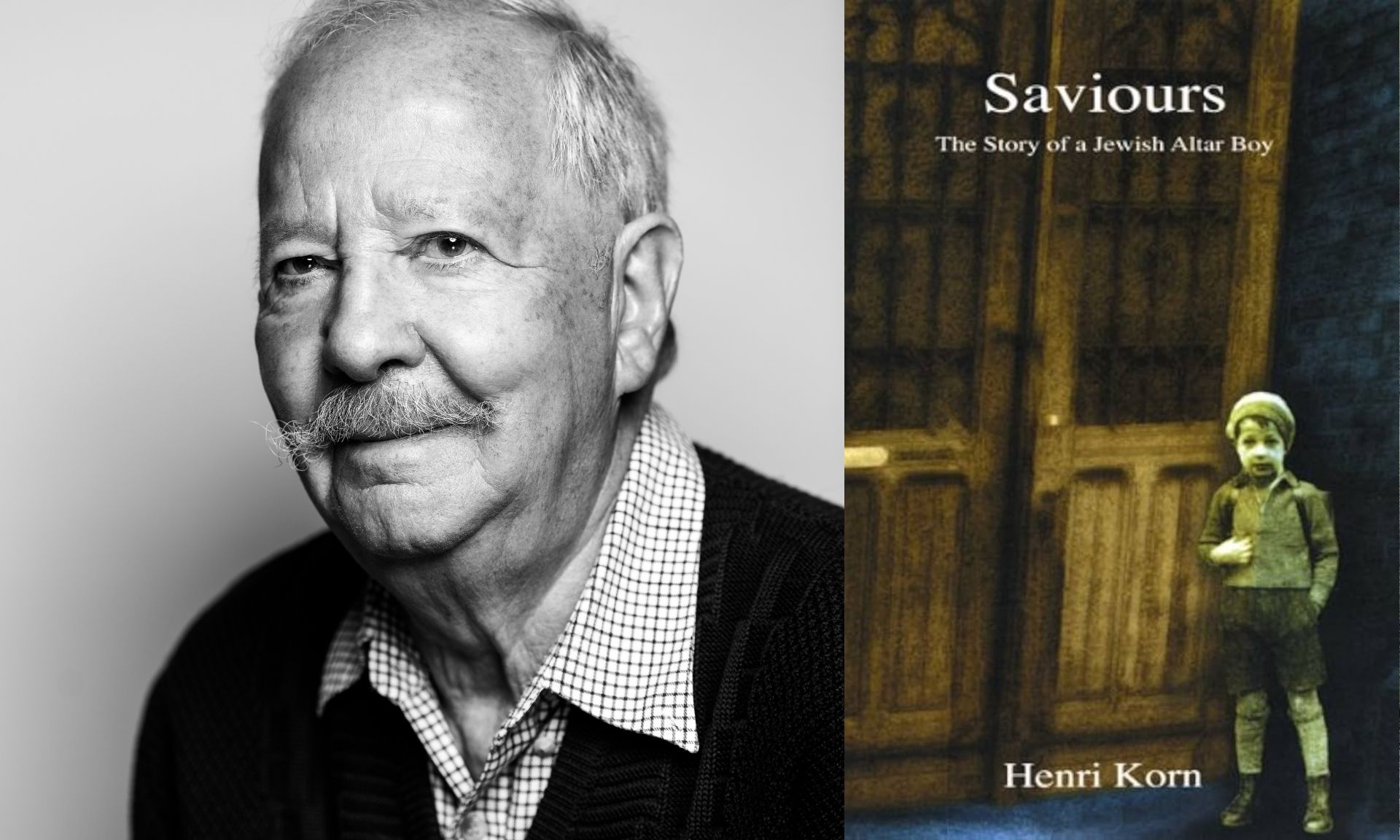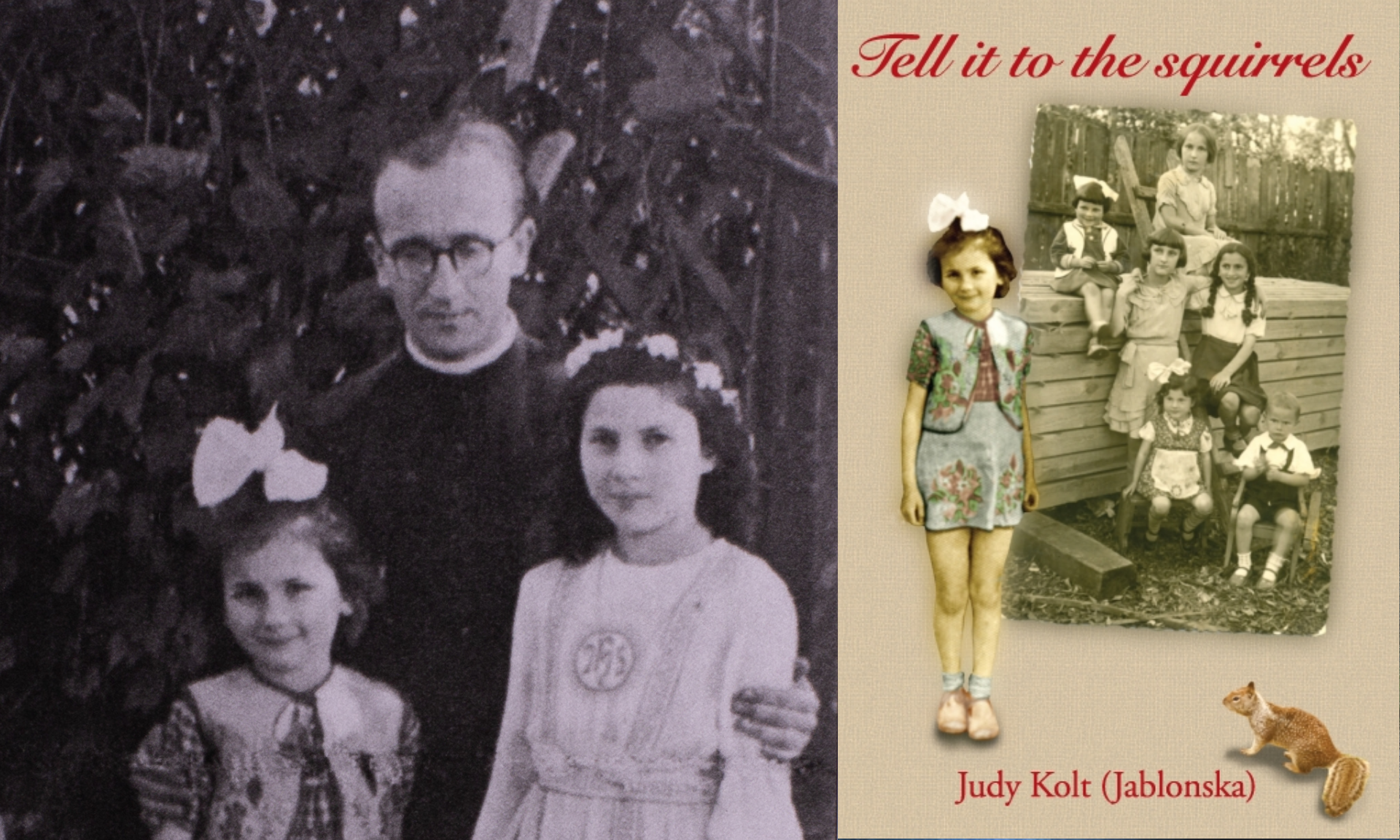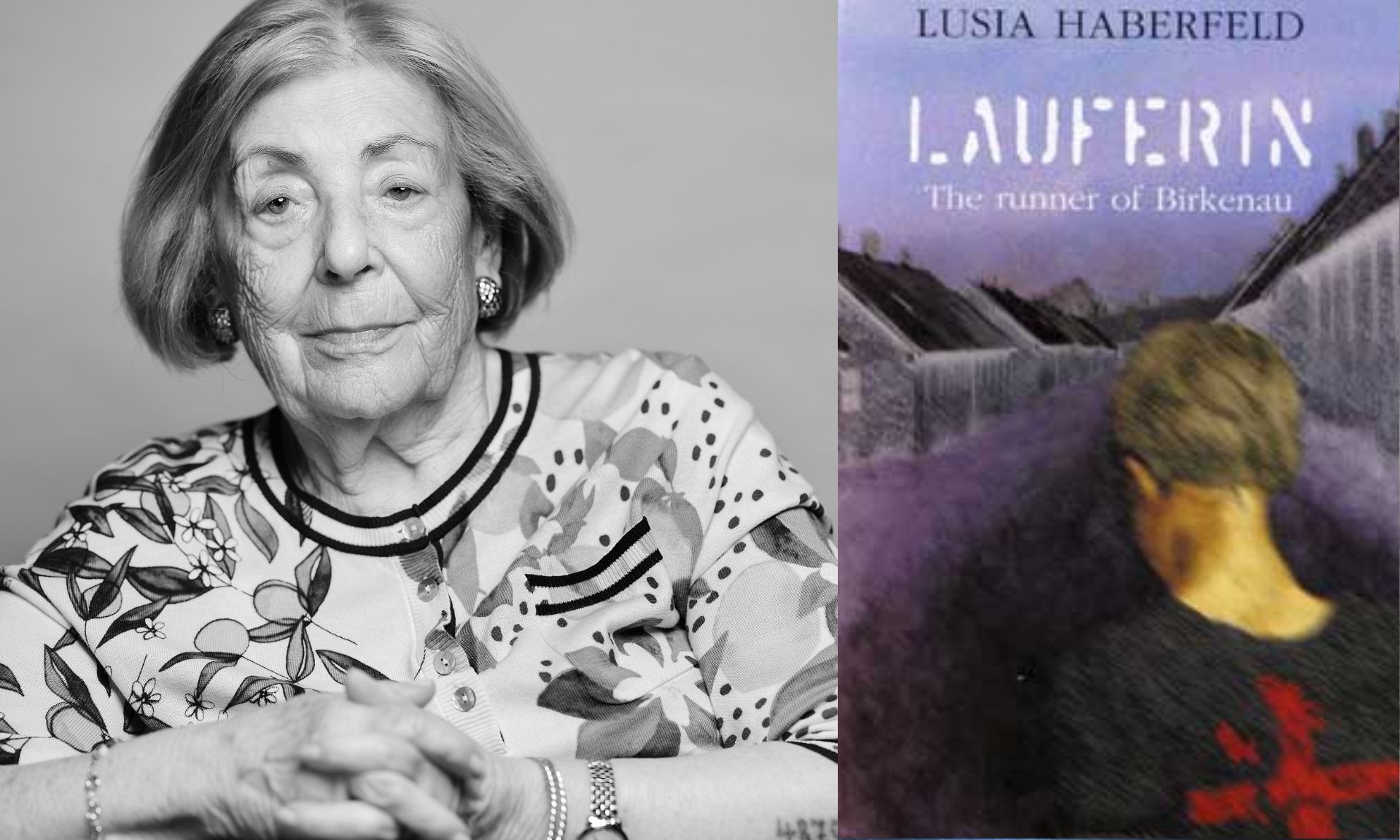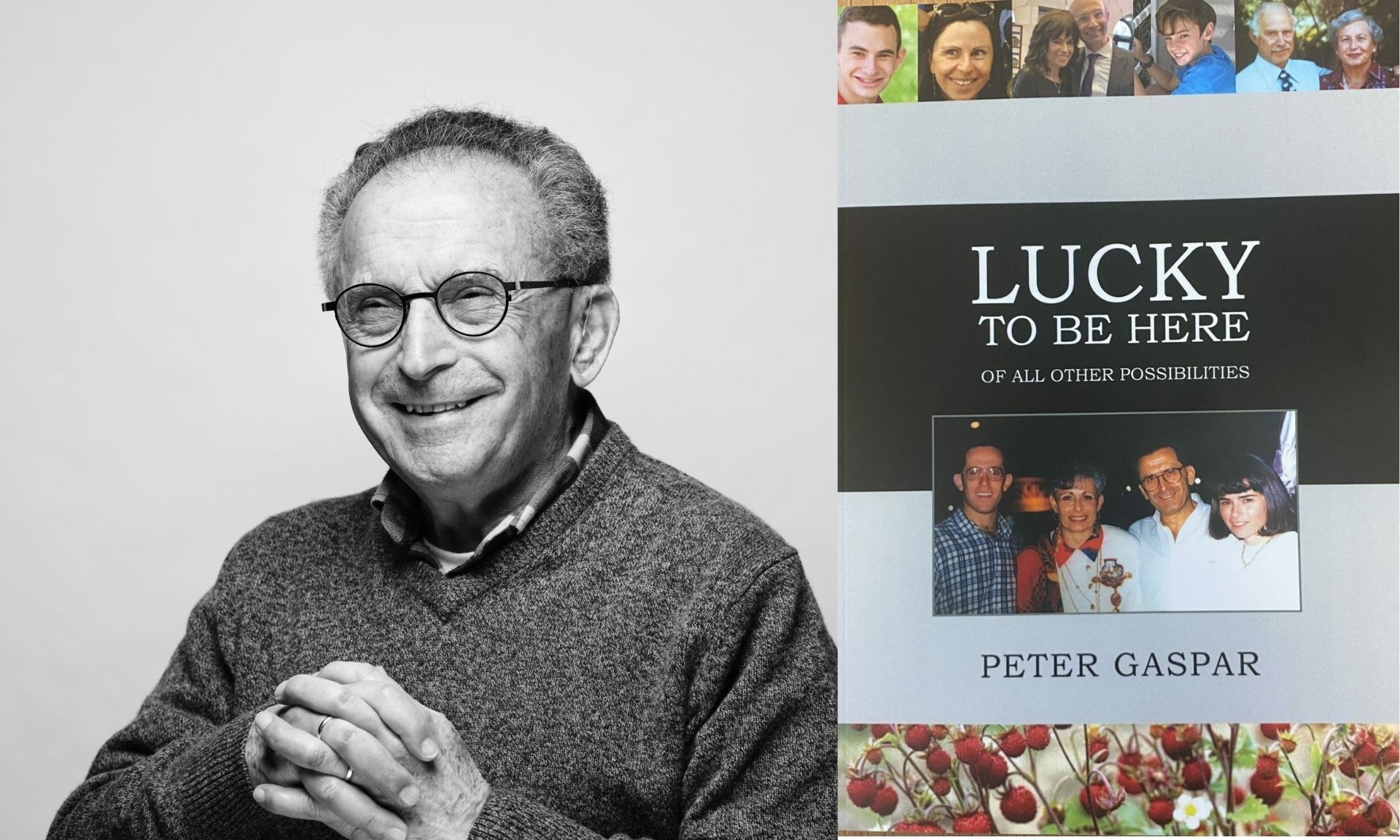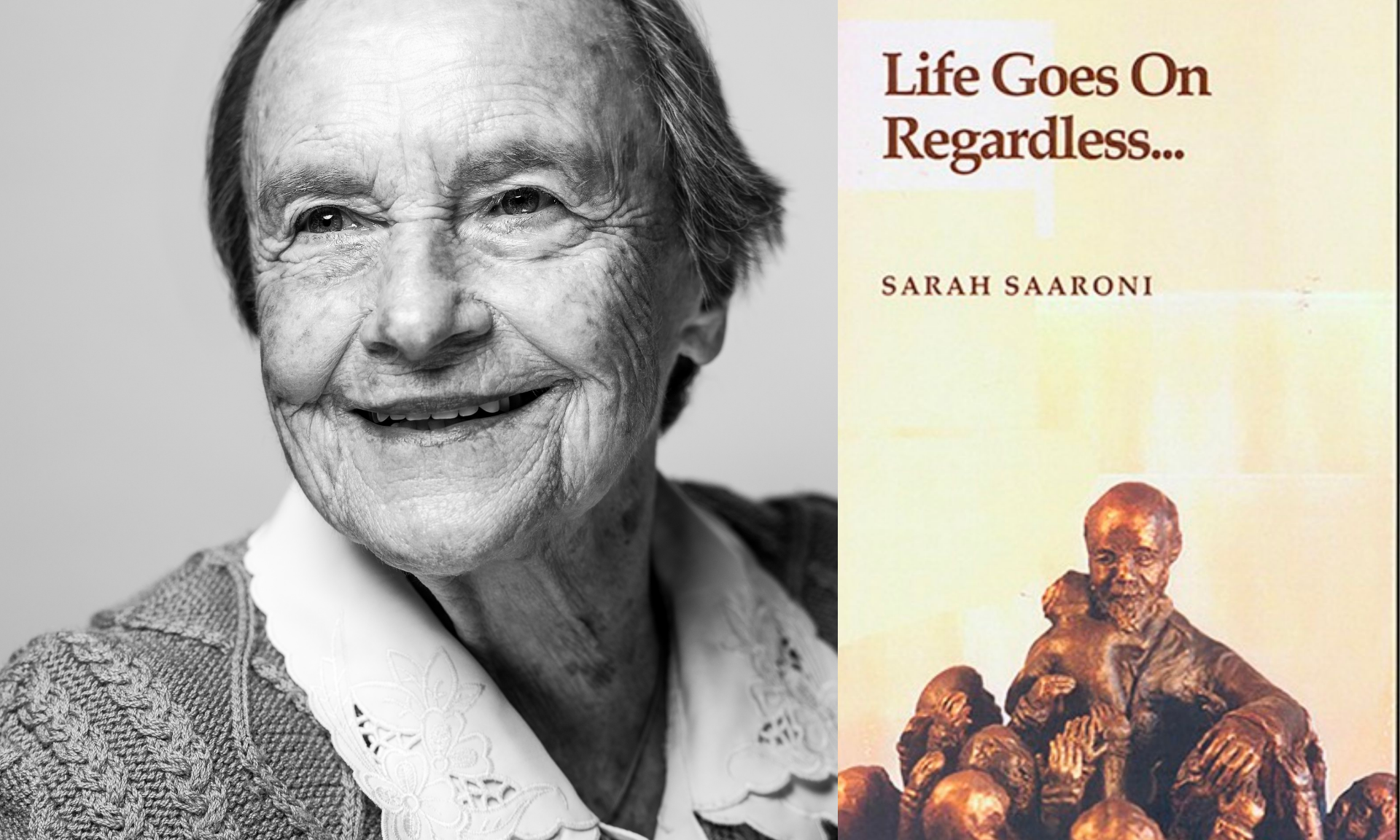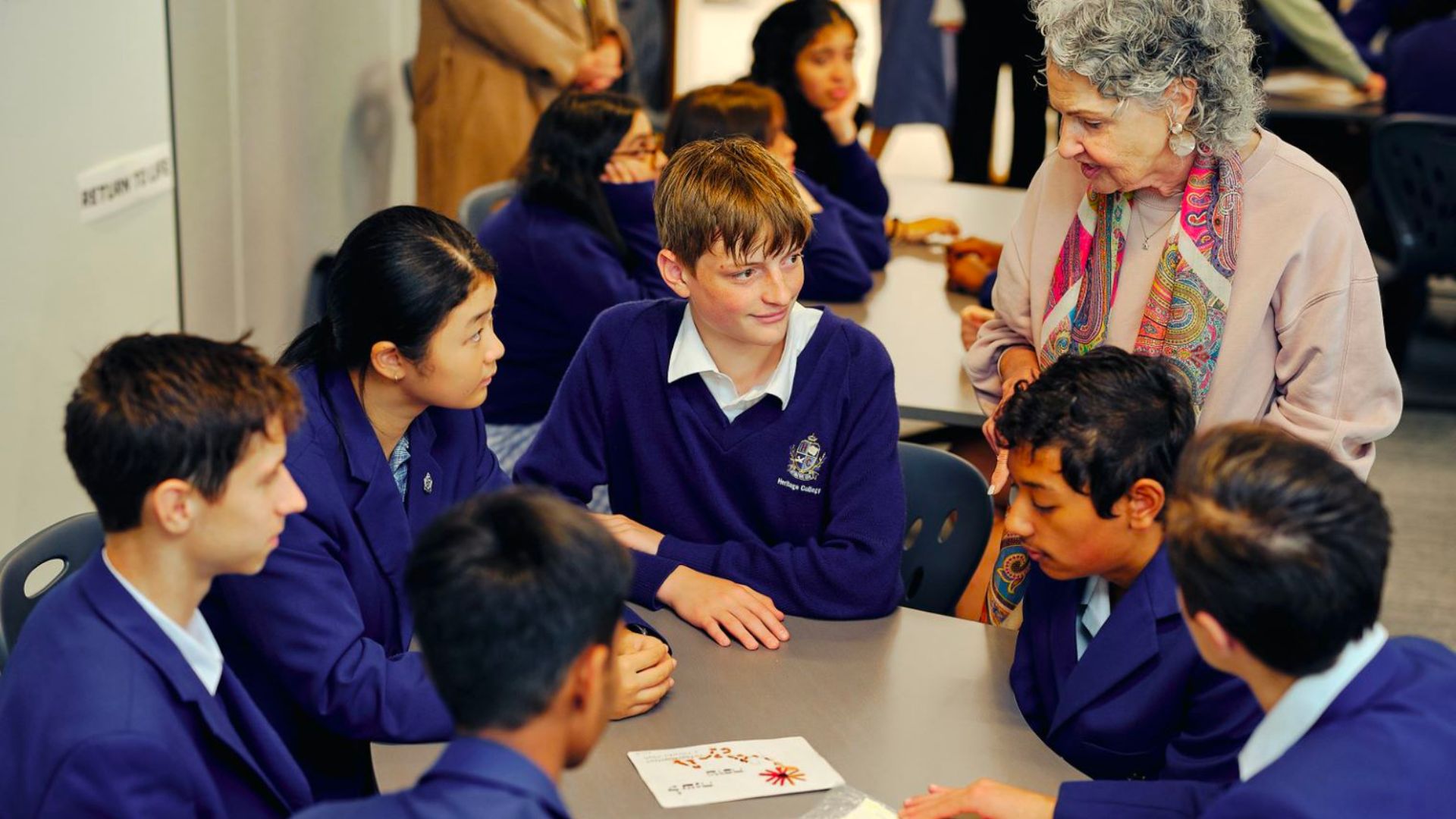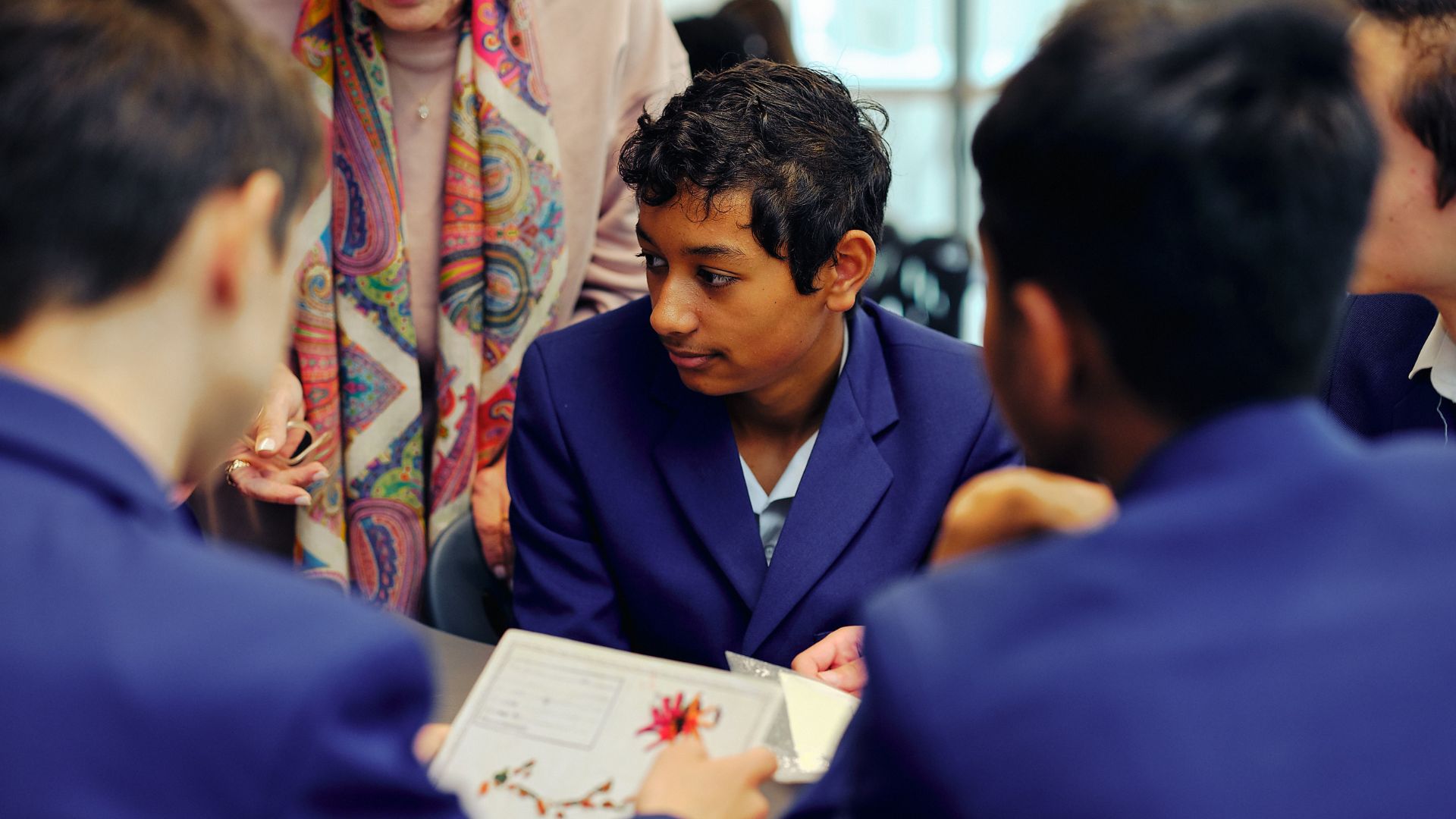
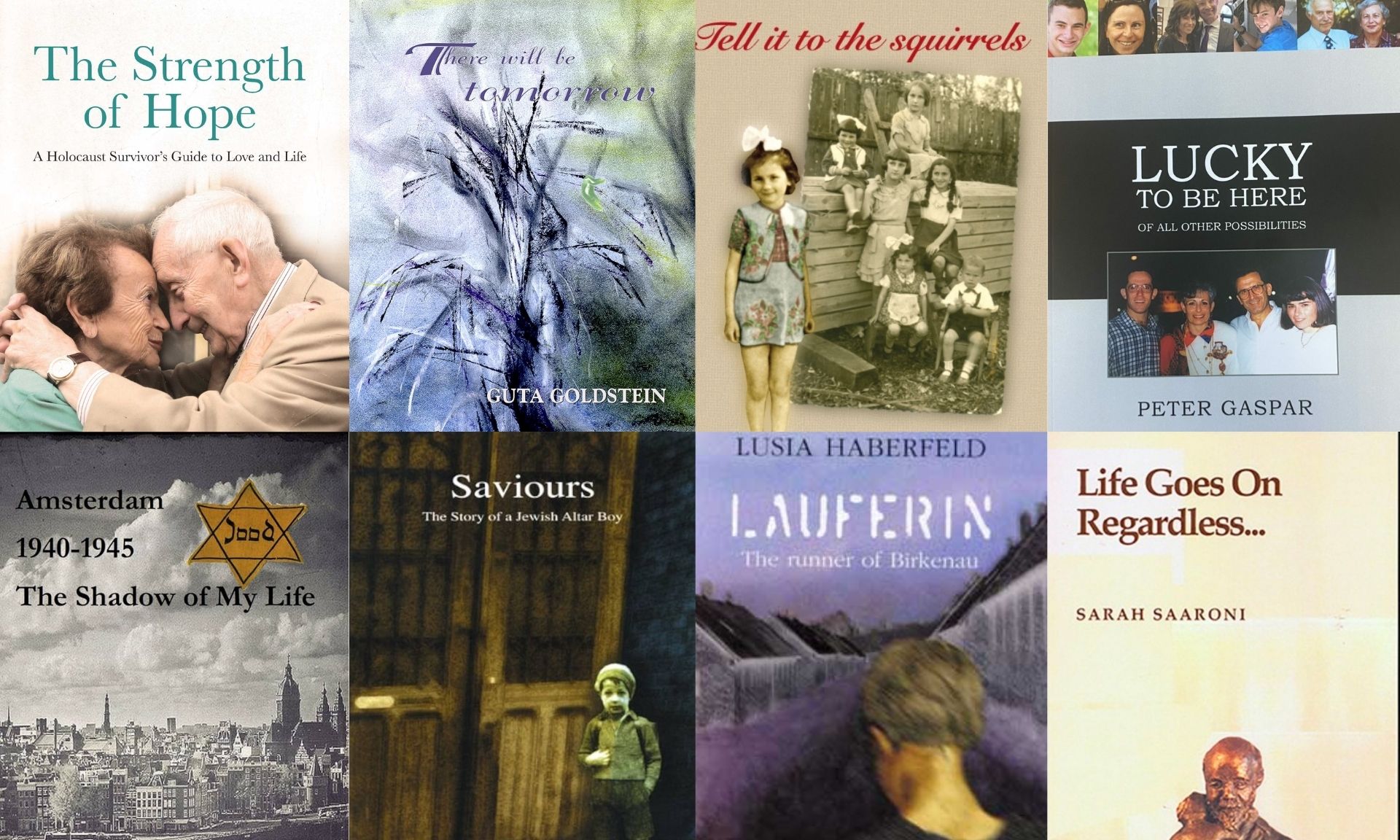
MHM recommends using memoirs as a reliable, humanising and powerful method of teaching the Holocaust. Memoirs complement traditional historical teaching by focusing on individual experiences, rather than abstract numbers and overwhelming statistics. Personal stories reveal the human consequences of prejudice, hatred and systemic violence. They allow students to explore the Holocaust in a relatable way and develop a deeper understanding of its impact on individuals and their communities, and the ways in which people responded.
This classroom resource enables students to deepen their understanding of the Holocaust through the memoirs of eight Melbourne-based survivors. Extracts have been curated by MHM educators to reflect the essential components of a Level 9-10 Holocaust unit, as outlined by the Victorian Department of Education.
These are:
- Pre-war Jewish life
- The rise of Nazi Party (up to 1939)
- War, persecution and ghettoisation (1939-41)
- Murder, deportations and the camps (1941-45)
- Courage and resistance
- Liberation, survivors and the return to life
- Remembrance, legacy and life lessons
Extracts are supported by scaffolded questions designed to extend student thinking and a suggested lesson plan that aligns with the Victorian Curriculum 2.0.
The Learning Through Memoir Project also fulfils the Victorian Department of Education’s requirements that a Holocaust unit should “focus on survivor stories”.
Student safety
‘Safely in, safely out, safely throughout’ should be a guiding principle for Holocaust education. Age-appropriate material should be introduced in a sensitive manner that acknowledges its confronting nature (safely in). It should be delivered in a supportive environment in which students feel safe to learn and ask questions (safely throughout). Finally, students should be given the opportunity to process and reflect at the conclusion of a lesson (safely out).
While the extracts in this resource have been carefully selected by MHM Holocaust educators, teachers are advised to read them in advance to ensure the content is appropriate for their students. Teachers are also advised that some extracts deliberately ‘skip over’ inappropriate sections, even within an extract. It is recommended that this material be deleted or blacked out when providing copies for students.
Accessing the material
The Learning Through Memoir teaching resource and lesson plan are provided free of charge for teachers by the MHM and are available from our website. The memoirs are available for purchase through the MHM Bookstore at https://mhm.org.au/bookstore/ or in person at the museum, 13 Selwyn Street, Elsternwick. Enquiries can be sent to: admin@mhm.org.au.