Different Voices: Women and the Holocaust – 4 week course
Please join us for a four-week course
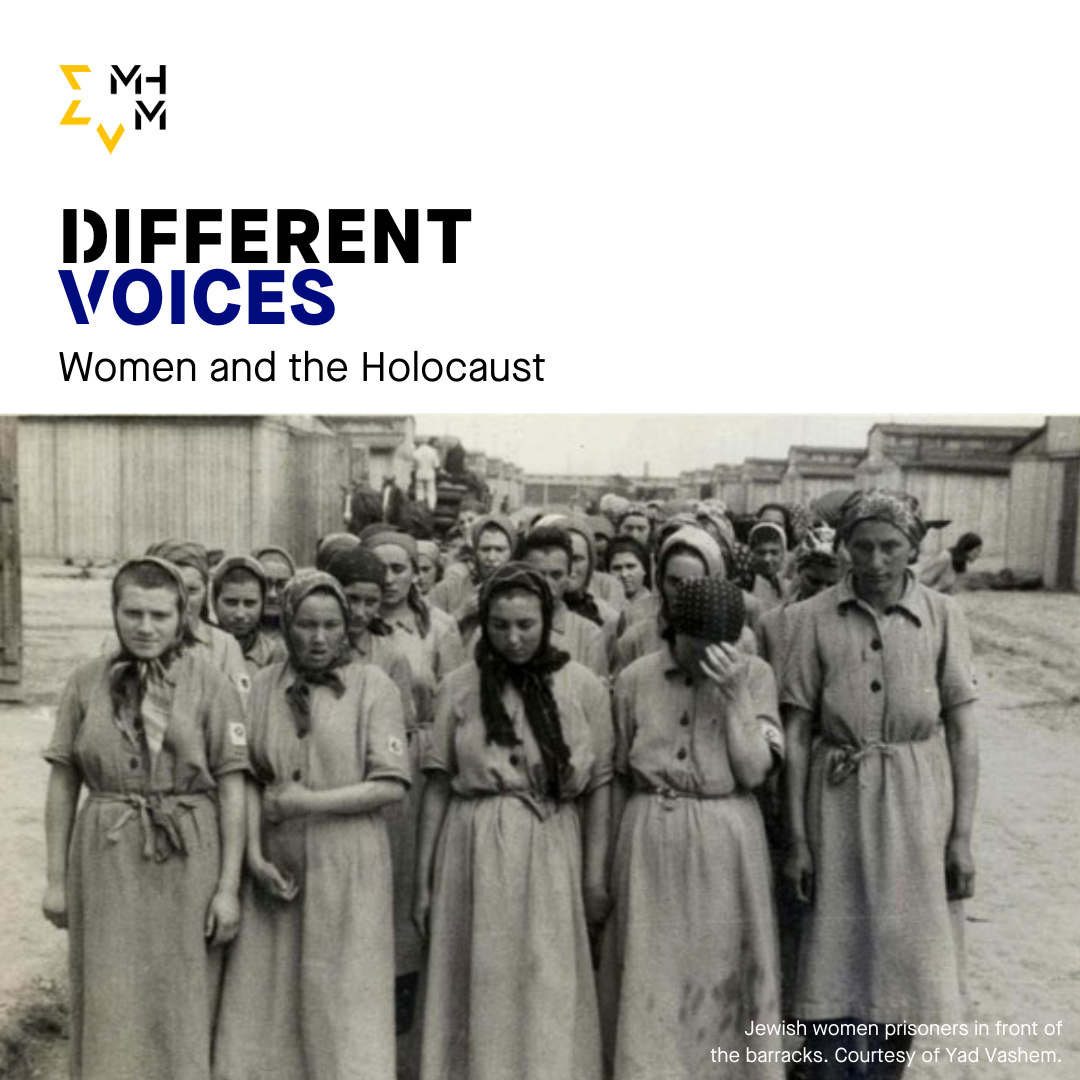
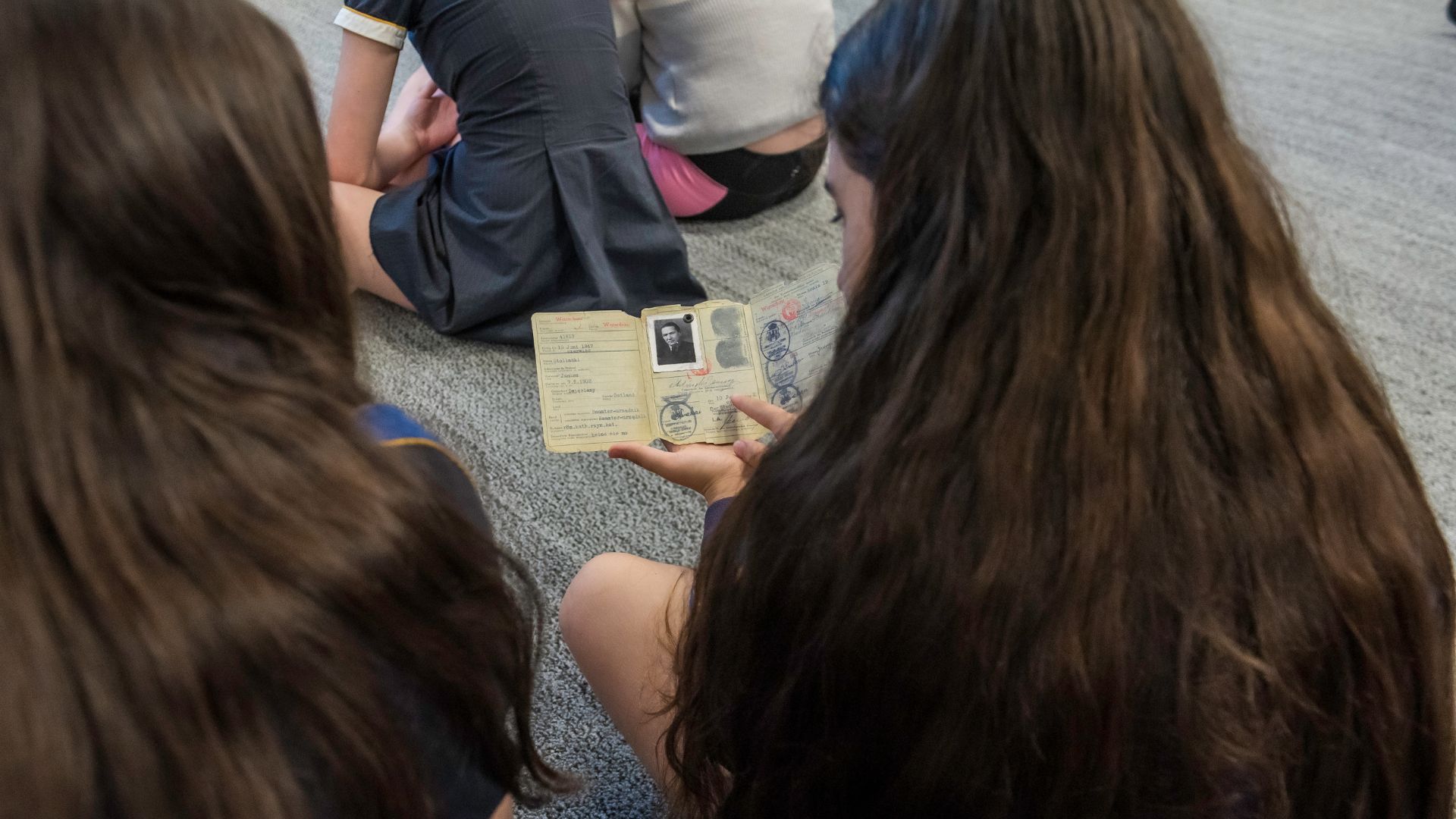
Different Voices: Women and the Holocaust will apply gender as a lens for understanding the Holocaust. More than 2 million girls and women were murdered during the Holocaust, and their experiences must be understood for their uniqueness. Over the course of 4-weeks we will consider the ‘female voice’ to shed light on Jewish women’s experiences during the Holocaust by examining ghettos, camps, hiding, and resistance. By considering diaries, documents, and testimonies, we will delve into the lived experience that Jewish women faced on a daily basis during the Holocaust and the lessons we can take into the world today.
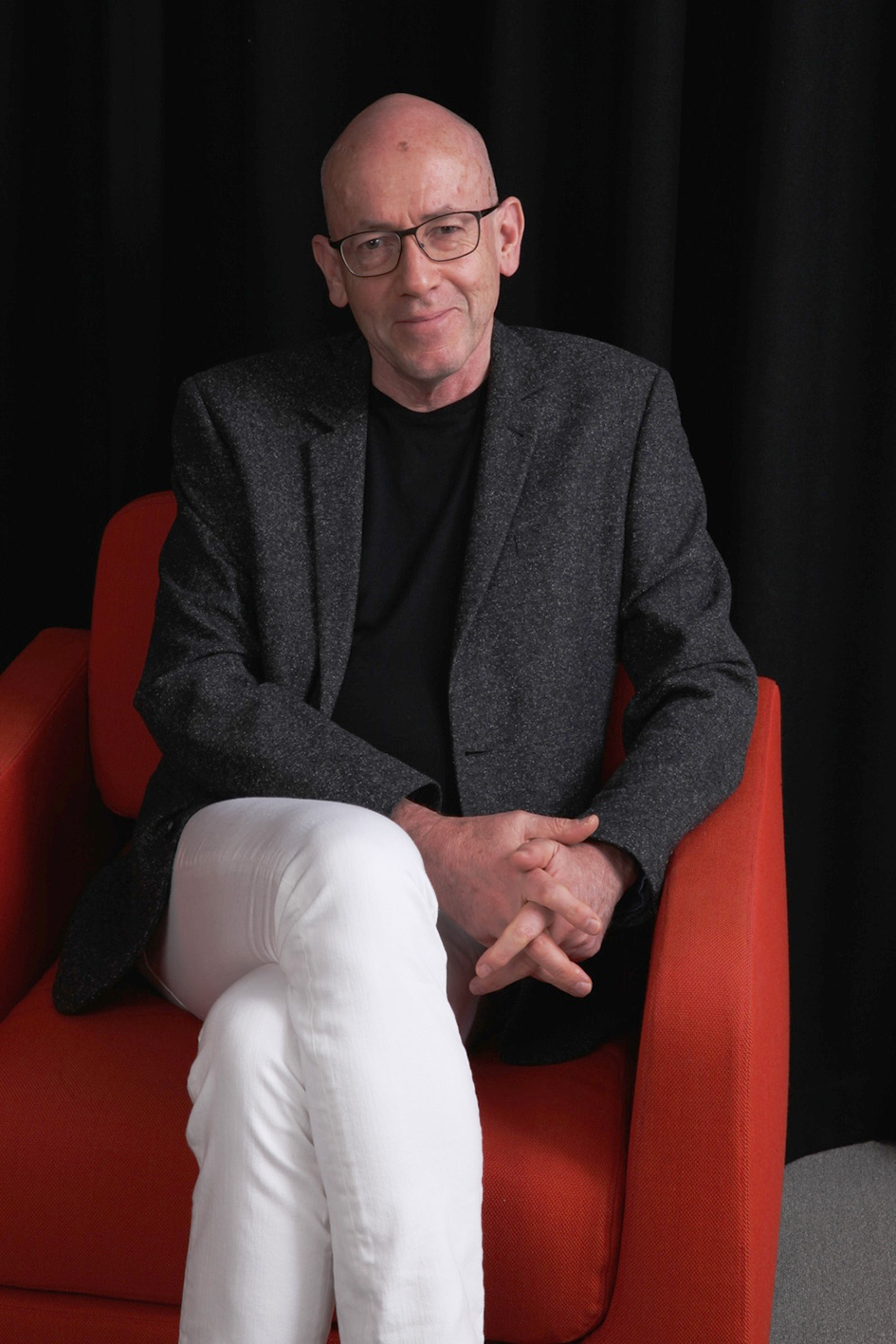
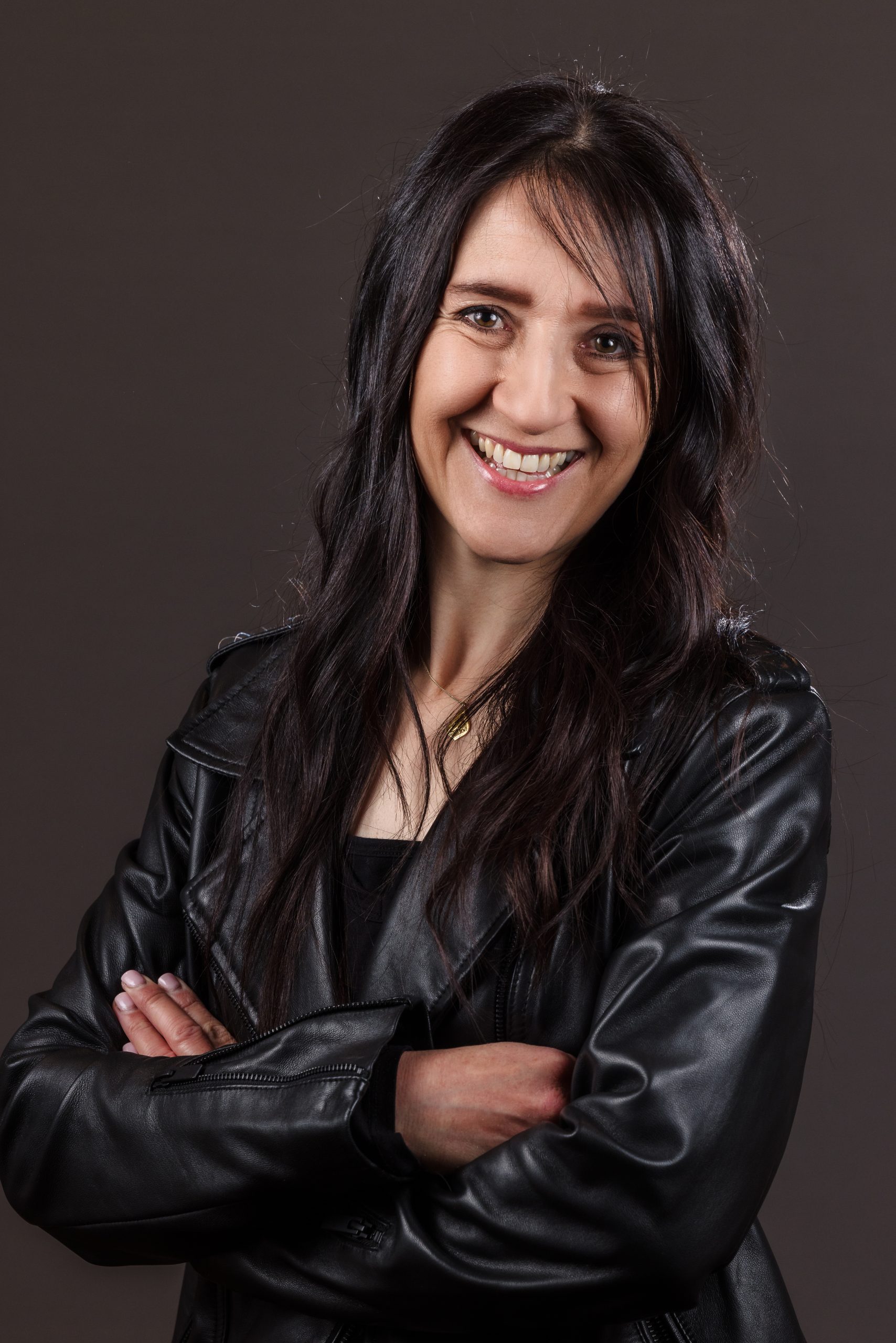
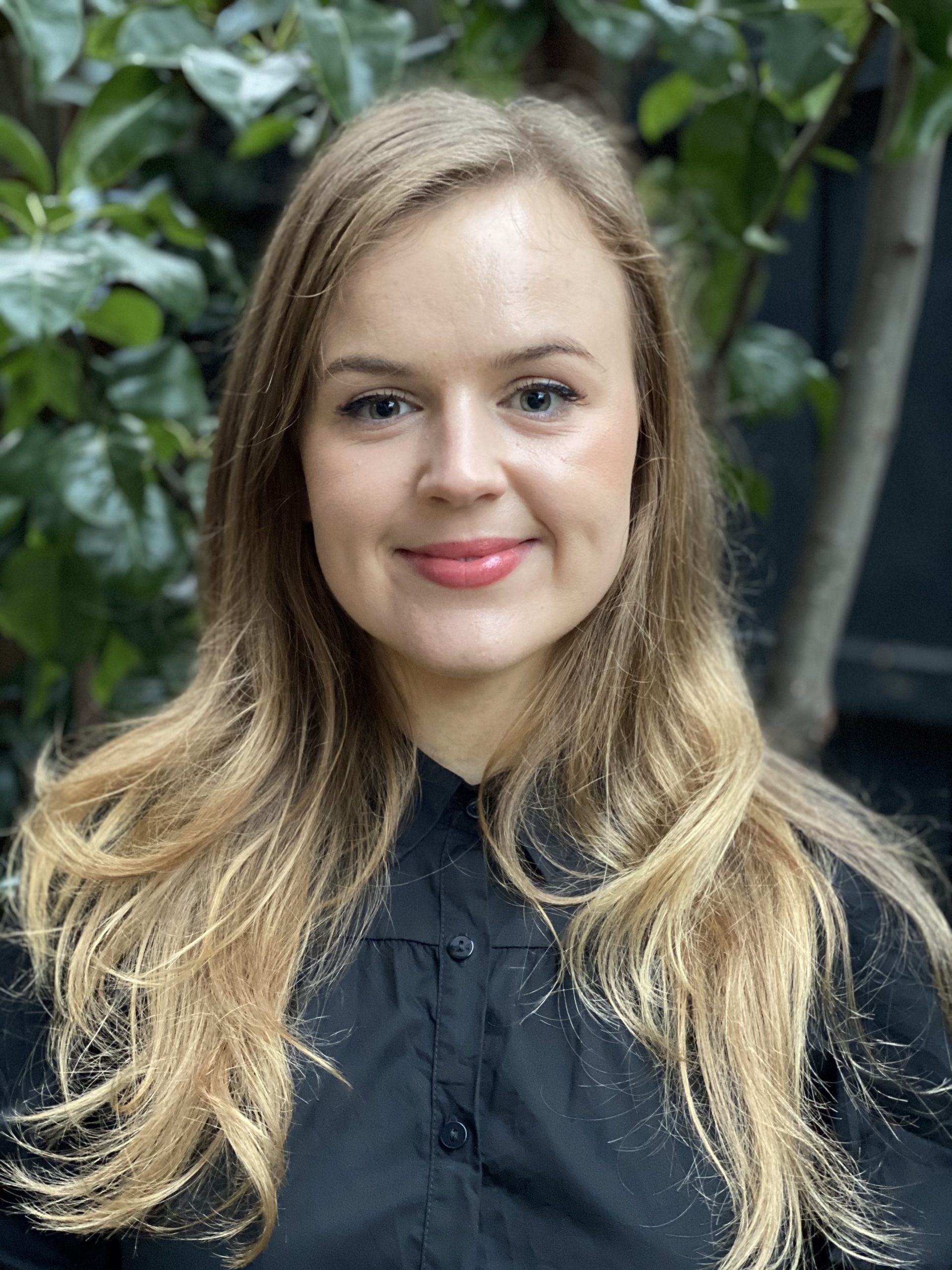
The course will be facilitated by Head of Exhibitions and Programming Dr Breann Fallon and Co-President Sue Hampel OAM with each evening dedicated to a particular theme.
-
Week 1 7 March: Dr Breann Fallon
-
Week 2 14 March: Dr Breann Fallon
-
Week 3 21 March: Sue Hampel OAM
-
Week 4 28 March: Sue Hampel OAM
Launch Event: Stih and Schnock’s Bus Stop
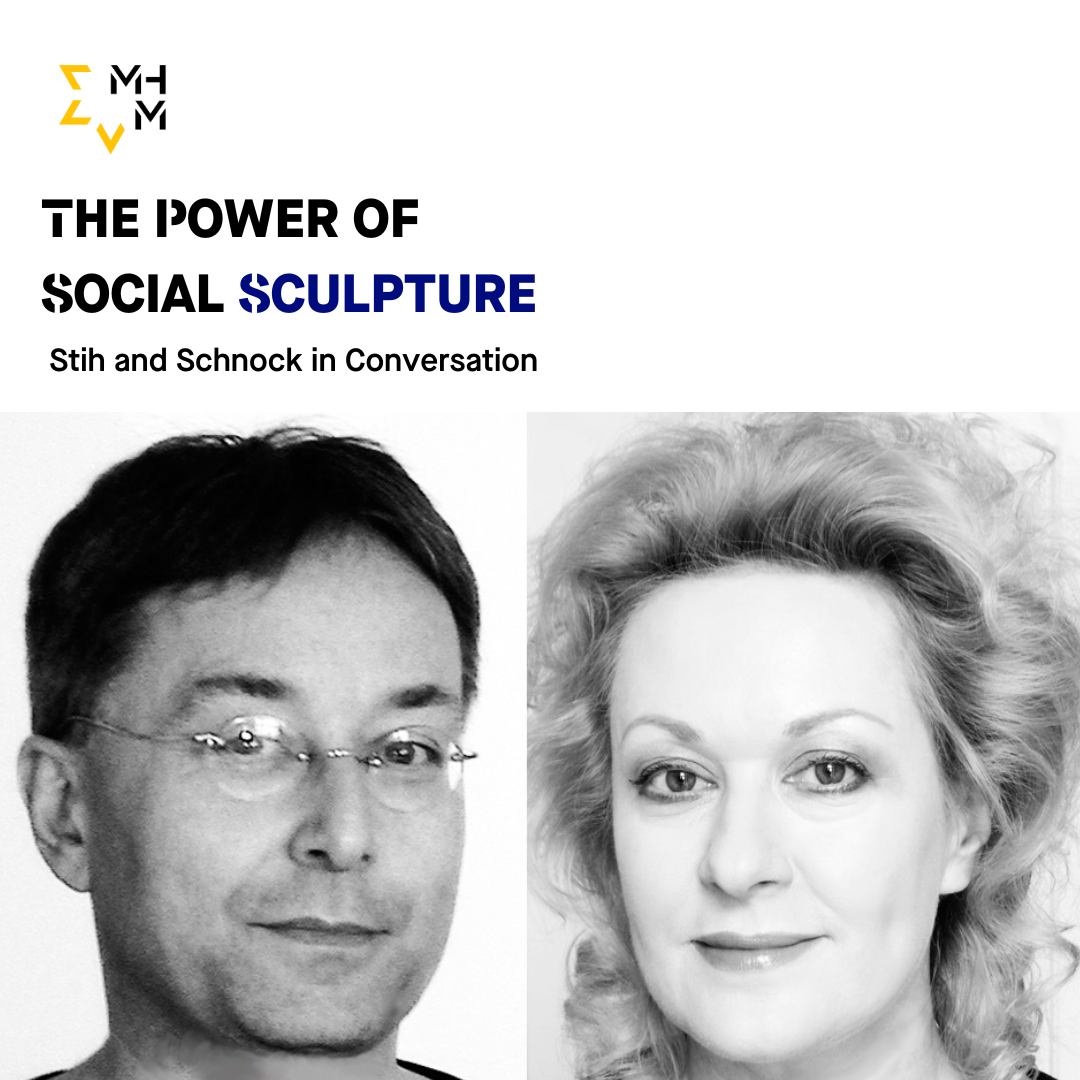
Please join us for the launch of Bus Stop, an installation by renowned German artists, Renata Stih and Frieder Schnock.
Originally conceived in 1995 as an alternative to a static Holocaust memorial in Berlin, Bus Stop, a mobile sculpture, enables the public to actively commemorate the Holocaust by engaging with former sites of Nazi atrocity. “We wanted to create a work that enables active remembrance through the networking of places and information.”
Professors Stih and Schnock will discuss Bus Stop’s conception and ongoing significance.
Bus Stop will be on display at the Museum through March 2024.
This event is supported by

“BUS STOP” was Stih and Schnock’s response to the competition for a “Memorial to the Murdered Jews of Europe”, where a representative memorial was planned in the center of Berlin, near Brandenburg Gate. Their concept of a transitory memorial aims to clarify that doesn’t need monumental constructs to commemorate the victims, because the whole country and many parts of Europe are full of places and stories that need to be preserved from oblivion. Visiting the former concentration camps makes you feel a sense of trepidation, because the idea of horrific events, the view of harrowing documents that we know from film footage and photos remains unforgettable. Stih and Schnock conceptualized an installation of a transitory sculpture on the dedicated lot, a bus terminal. From there, red buses would drive to actual commemoration sites and former death camps in both, near and distant vicinity all over Europe. The destination and the inscription “Memorial to the Murdered Jews of Europe” is written on the red buses. In this way the remembrance of the Holocaust is redirected to the crime scenes, away from that lofty site in the middle of the German capital and right into the banal everyday structure of our mobile society.
-
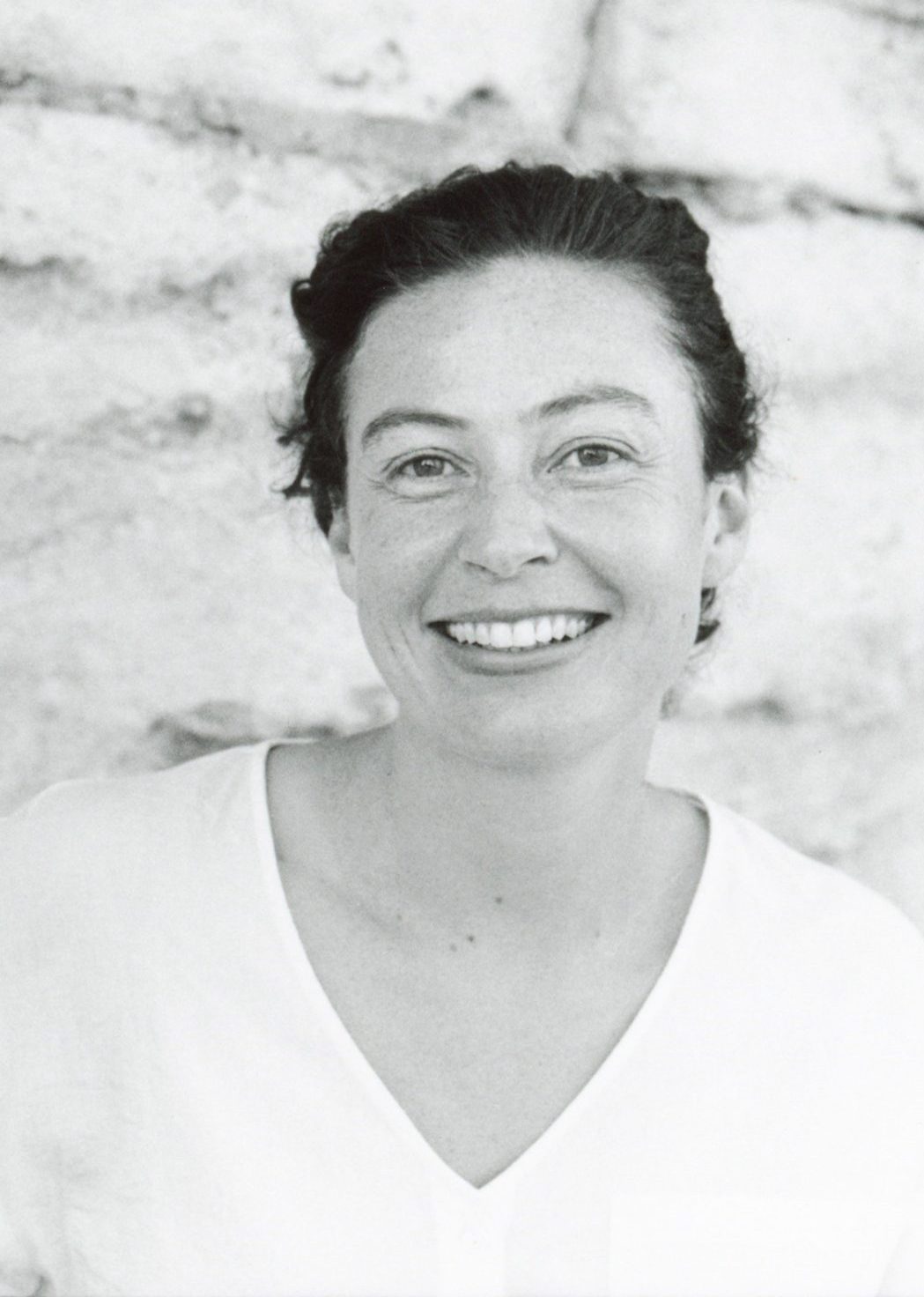
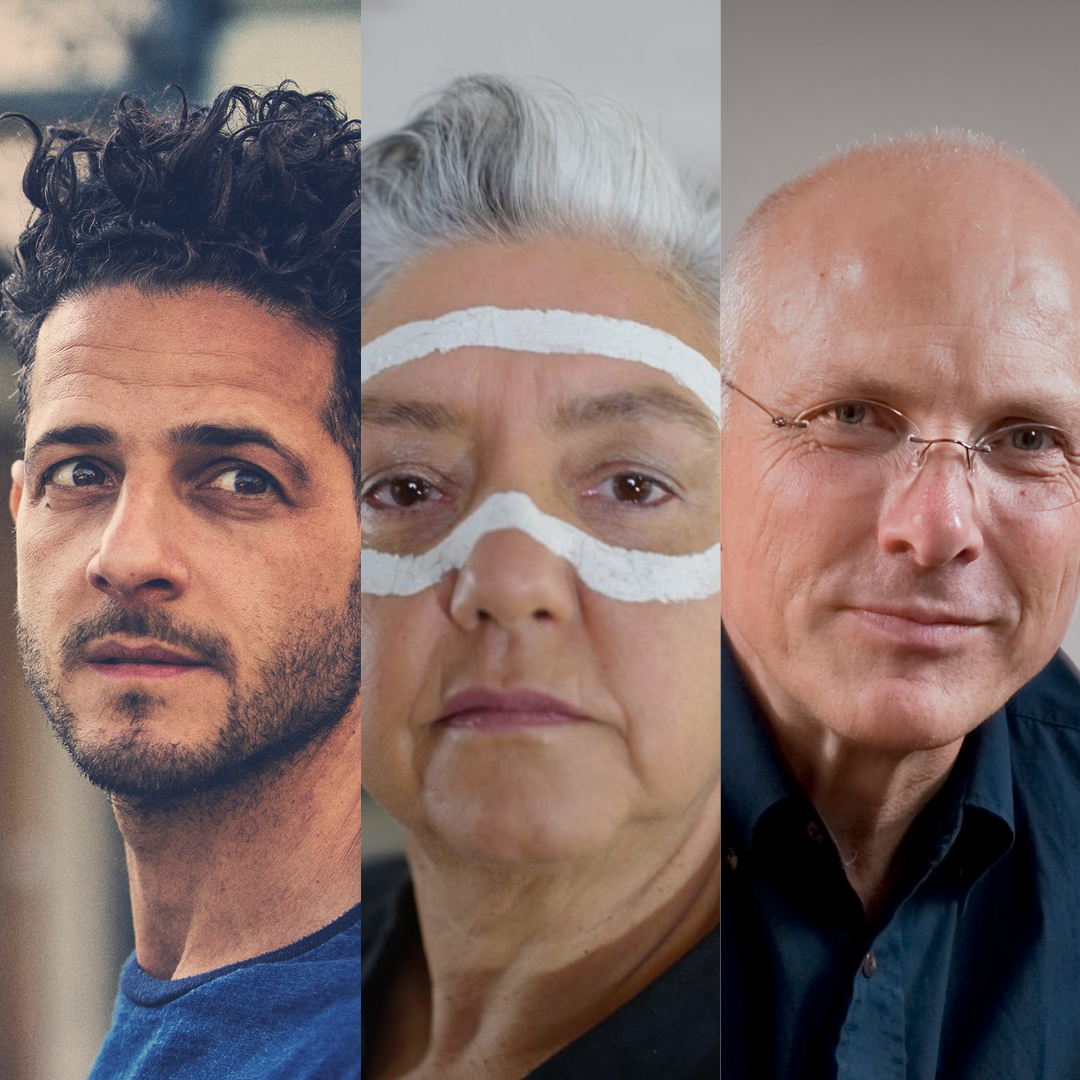
Prof Renata Stih
-
Prof Frieder Schnock
Hear a Witness: Joe Szwarcberg
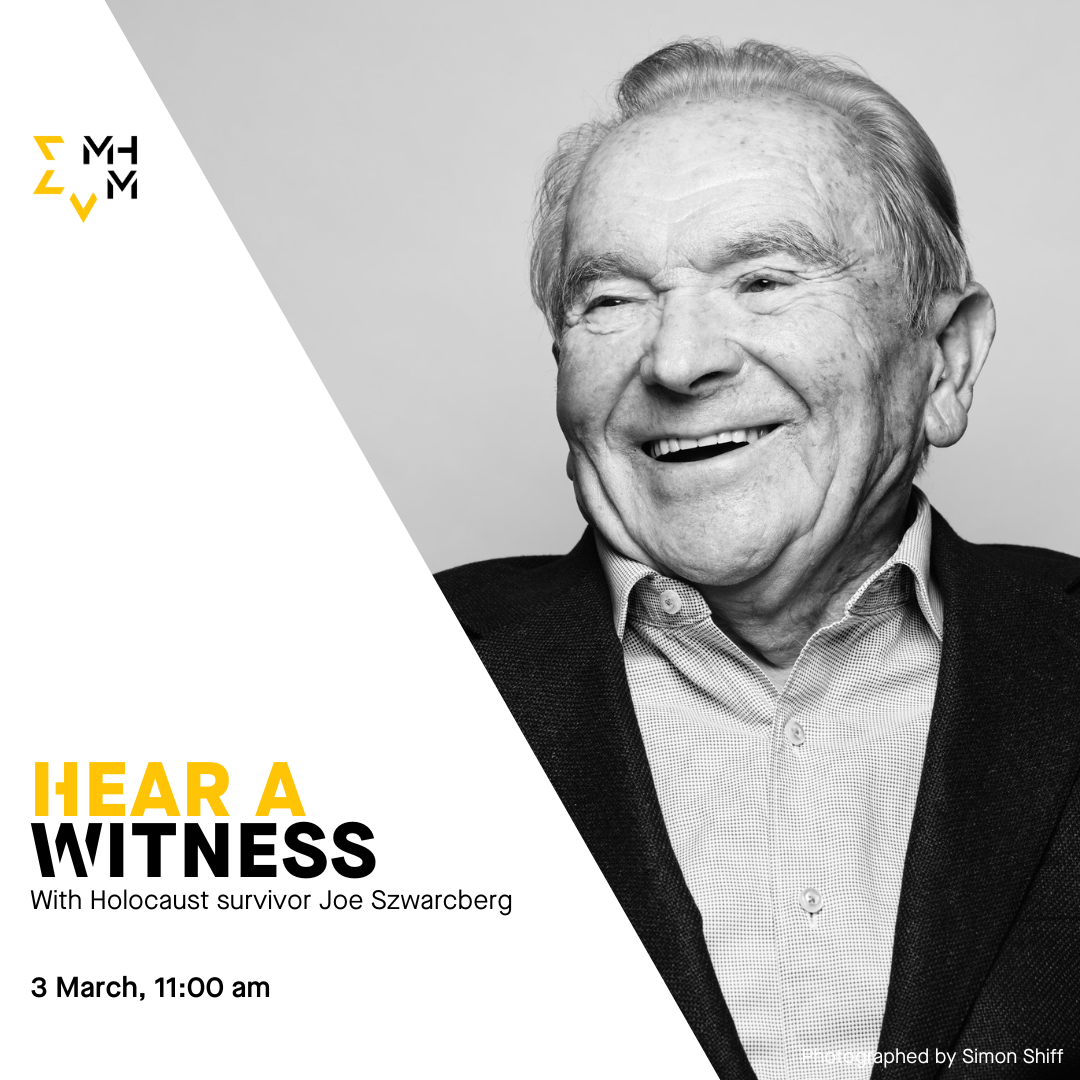
Join us at the Melbourne Holocaust Museum for the rare opportunity to hear first-hand from Holocaust survivor Joe Szwarcberg.
Joe was born in 1930 in Kozienice, Poland, the youngest of six children. The Germans invaded in 1939 when Joe was nine years old and incarcerated the Jewish population in a ghetto.
Joe risked his life by leaving the ghetto to get food, but nonetheless his mother died due to the poor conditions there. He was deported to a harsh labour camp where he witnessed the murder of one of his brothers. In 1944 he was sent to the Buchenwald concentration camp.
After his liberation in 1945 at the age of 15 Joe was reunited with his sisters. His father had died in a death march from Auschwitz and neither of his brothers survived.
In the Midst of Civilized Europe: The Pogroms of 1918-1921 in Ukraine and the Onset of the Holocaust
The Melbourne Holocaust Museum and ACJC invite you to a panel discussion about the Pogroms of 1918-1921 in Ukraine and the Onset of the Holocaust.
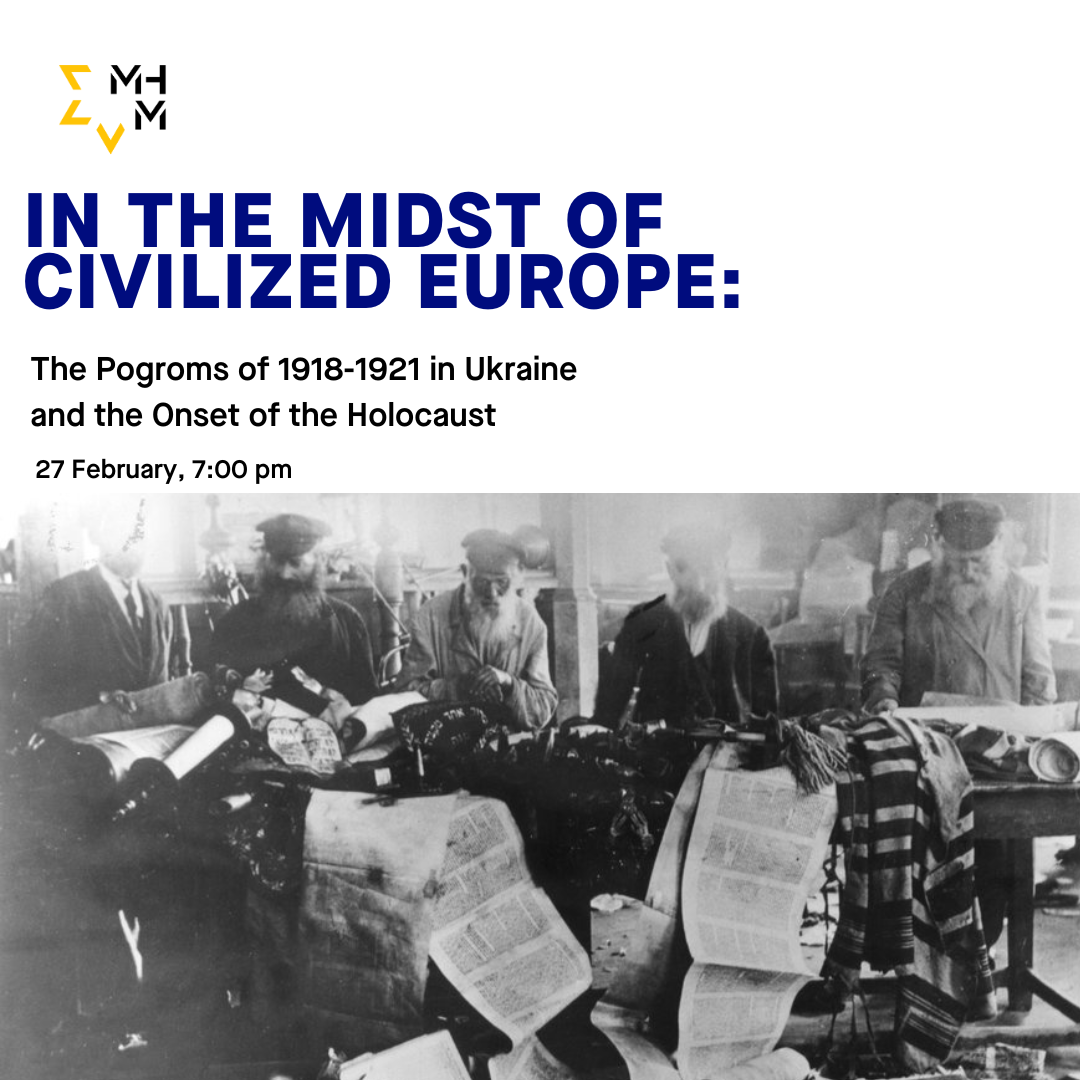
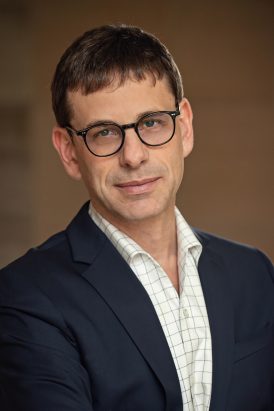
Between 1918 and 1921, over a hundred thousand Jews were murdered in Ukraine by peasants, townsmen and soldiers who blamed the Jews for the turmoil of the Russian Revolution. Largely forgotten today, these pogroms served as precursors to the Holocaust. Through stories of survivors, perpetrators, aid workers and governmental officials, Professor Veidlinger explains how so many different groups came to the same conclusion – killing Jews was an acceptable response to their problems.
Image | Jewish men survey damage done to Torah scrolls during pogroms in Russia, Getty Images
Holocaust Education Course 2024
Please join us for our nine-week Holocaust Education Course.
This course, running over a series of consecutive weeks, spans the history of the Holocaust from the 19th century through to the liberation of the camps and return to life. Each evening will run from 7-9pm with coffee and tea provided.
The course will be facilitated by MHM Manager of Adult Education Dr Simon Holloway, Co-President Sue Hampel OAM and Head of Exhibitions and Programming Dr Breann Fallon with each evening dedicated to a particular theme.
If you have any further questions about the course, please contact simon.holloway@mhm.org.au for further information.
Please register in advance and secure a place.
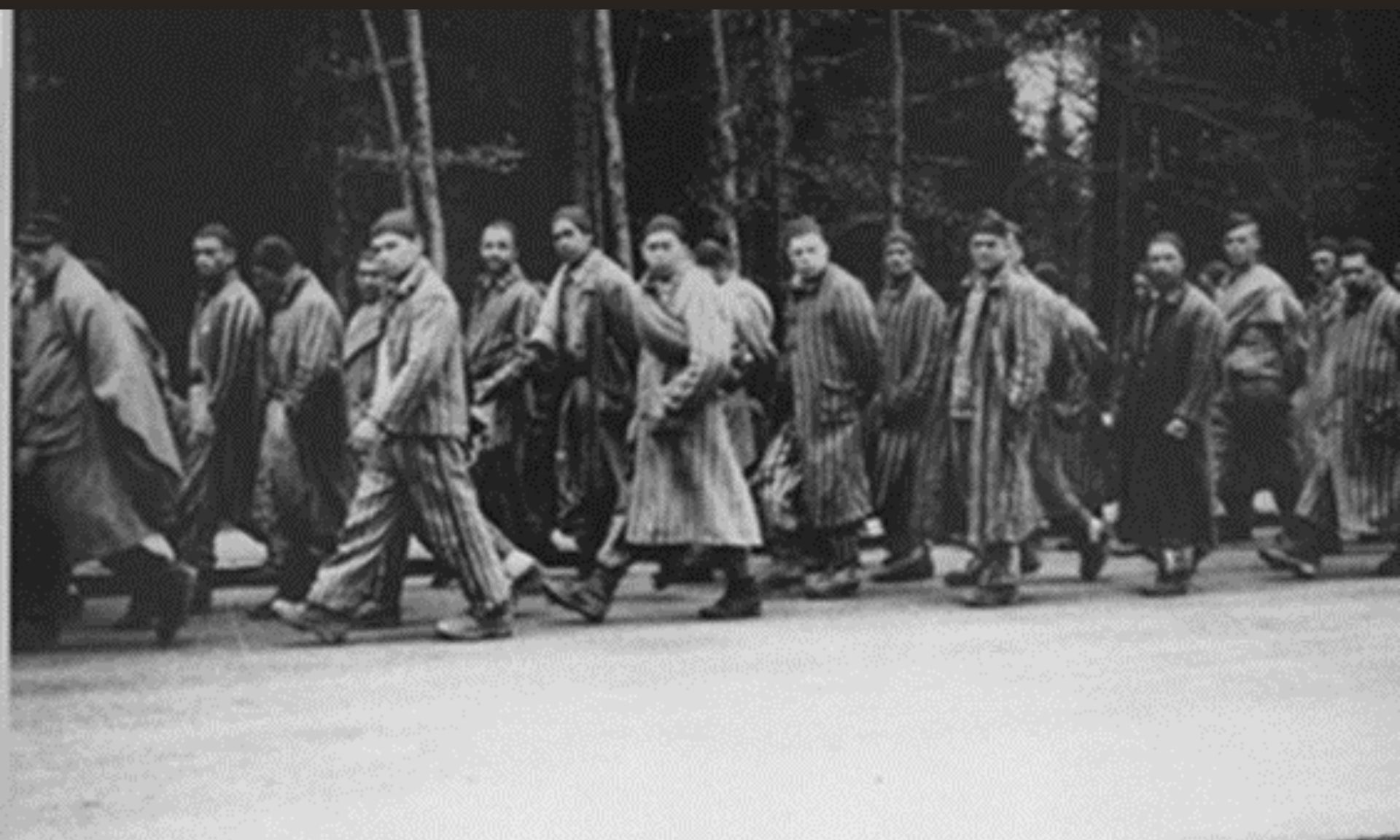
Image | Prisoners head south on a Death March from Dachau concentration camp; Gruenwald, Germany, 29 April, 1945. Courtesy of Yad Vashem.

Dates and topics are as follows:
Week 1: The World that Was (Wednesday, 1 May)
Week 2: From the Cross to the Swastika (Wednesday, 8 May)
Week 3: The Rise and Fall of German Jewry and Austrian Jewry (Wednesday, 15 May)
Week 4: Death and Life in the Nazi Ghettos (Wednesday, 22 May)
Week 5: Life Unworthy of Life: The Origins of the Final Solution (Wednesday, 29 May)
Week 6: The Concentration Camp Universe (Wednesday, 5 June)
Break – no course on the week of 12 June.
Week 7: By Any Means Available: Jewish Resistance (Wednesday, 19 June)
Week 8: Survey of Non-Jewish Responses (Wednesday, 24 June)
Week 9: Liberation and Return to Life (Wednesday 26, June)
International Holocaust Remembrance Day 2024
We invite you to join us for the commemoration of International Holocaust Remembrance Day and the Liberation of Auschwitz-Birkenau on Monday 29 January 2024.
This year we will be hosting a panel discussion on the importance of democracy.
Moderated by MHM Head of Exhibitions & Programming Dr Breann Fallon, the panel discussion will see three expert panelists explore the importance of democracy through the lens of their unique experiences – both lived and professional – to better understand the fragility of our freedom.
The event will also feature an address from guest speaker and Holocaust survivor Nina Bassat AM.
Artwork | Detail from Evidence of Evil, 1993/2022, a graphic light installation created by Stih & Schnock for the Melbourne Holocaust Museum, representing a selection of antisemitic laws and decrees passed by the Nazi regime between 1933-1945.
-
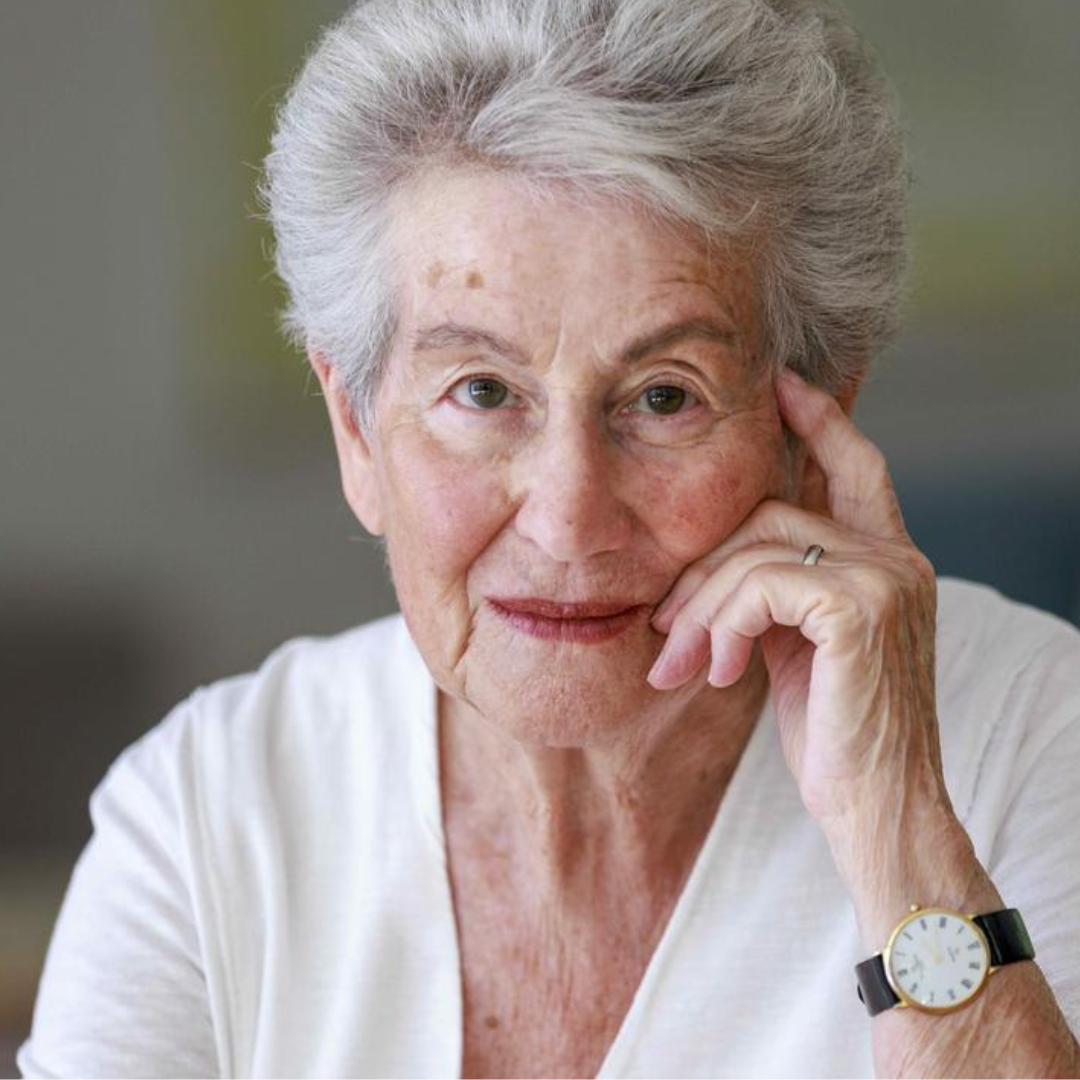
Nina Bassat AM
-
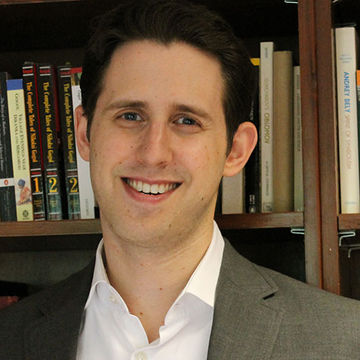
Dr Daniel Heller
-
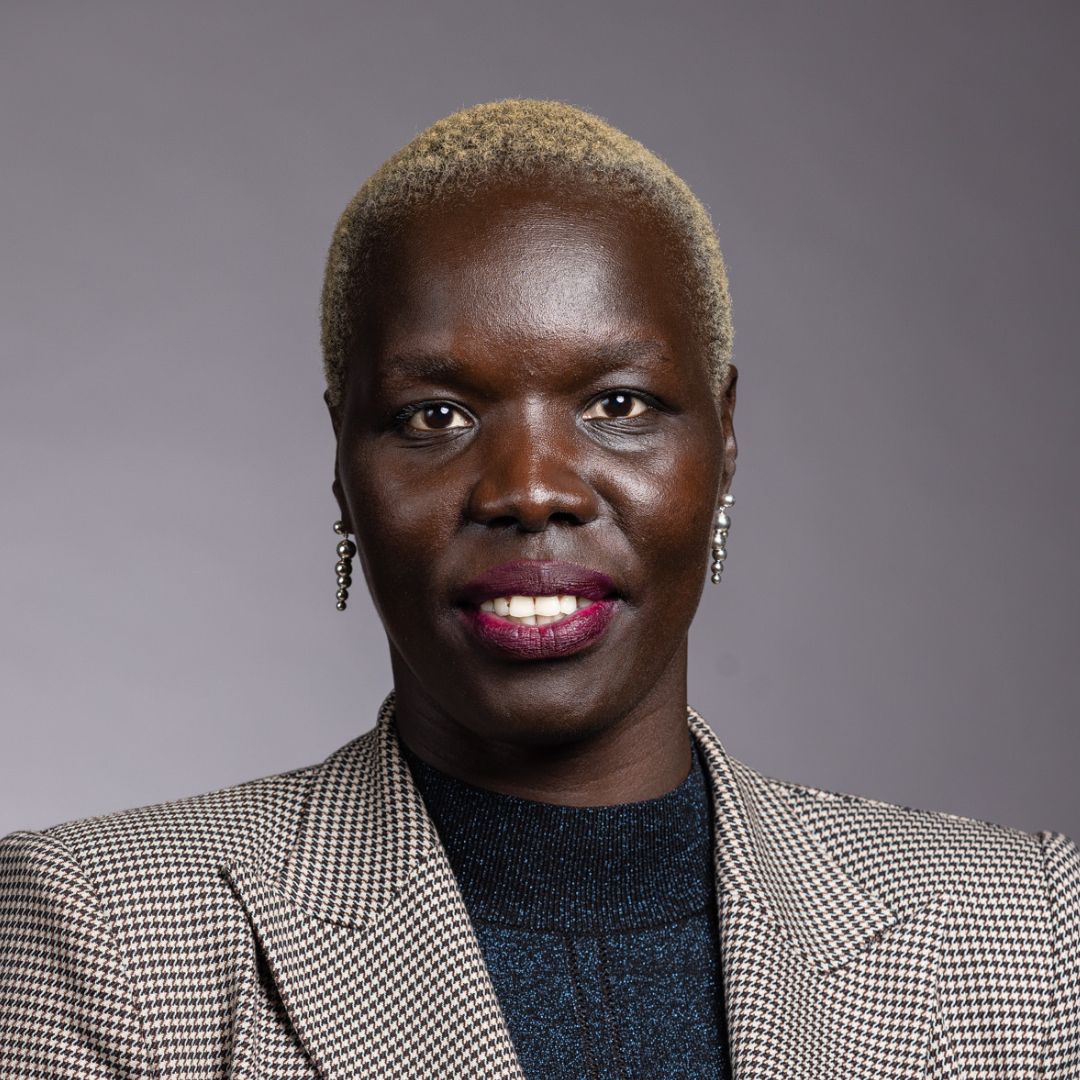
Nyadol Nyuon OAM
-
Dr Kylie Moore-Gilbert
Holckner Family Bnei Mitzvah Program
The Melbourne Holocaust Museum’s Holckner Family Bnei Mitzvah program is a ninety-minutes workshop designed to connect those undergoing their Bnei Mitzvah to the Holocaust in a meaningful way. The program will allow participants to engage with the experiences of Holocaust survivors, to be inspired by their resilience and the kindness of strangers, as well as to reflect on the significance of their Bnei Mitzvah and what being Jewish means to them.
Parents/guardians do not need to stay for the duration of the program.
Betty & Shmuel Rosenkranz Oration 2023
Join us at the Melbourne Holocaust Museum for our annual Betty & Shmuel Rosenkranz Oration.
This year we are pleased to announce our oration will be presented by Karel Fracapane – Leader of hate speech issues within the Division for Peace and Sustainable Development arm within the United Nations Educational, Scientific and Cultural Organization (UNESCO).
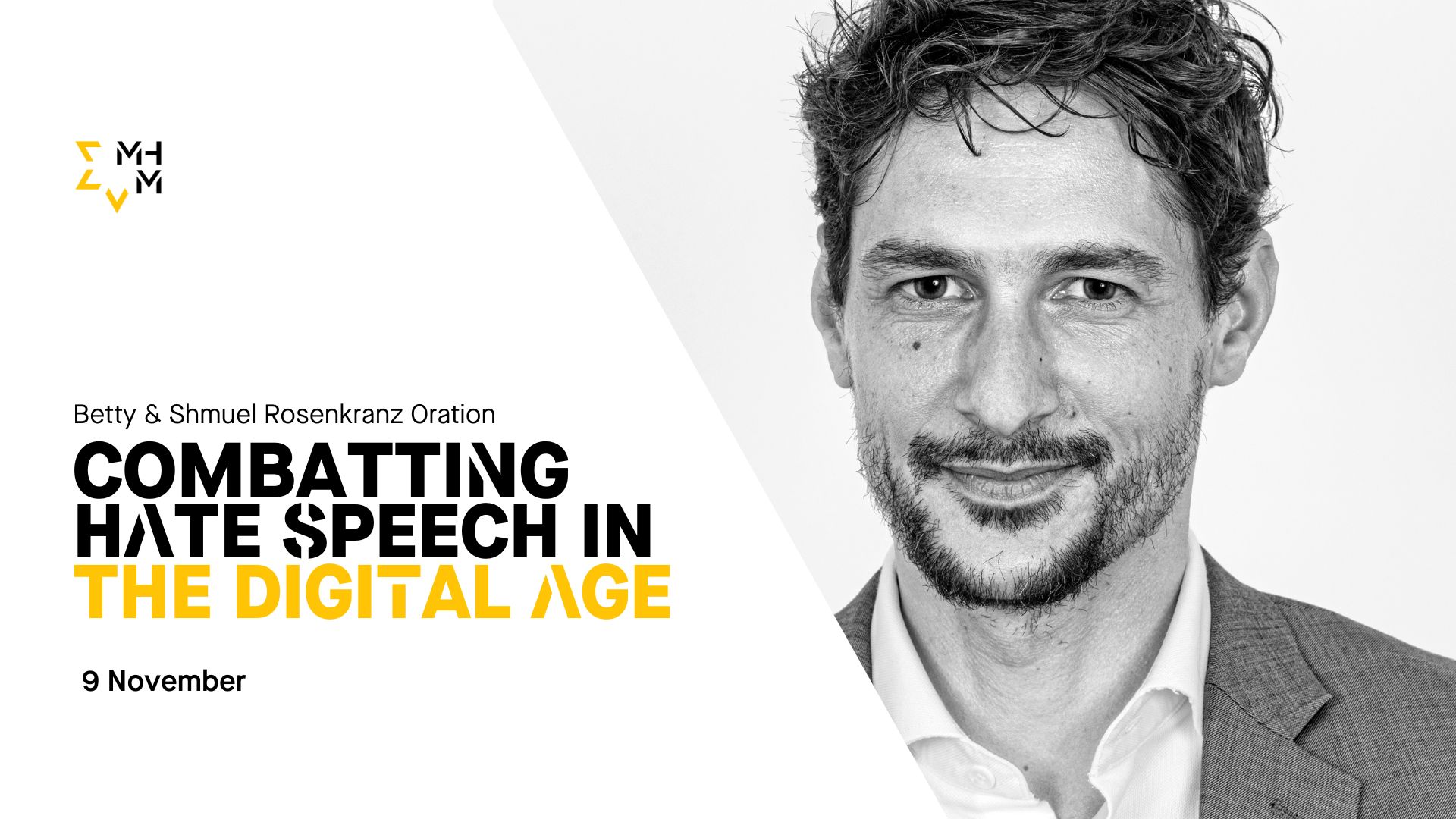
On 9 November, Karel will address the topic ‘Combatting Hate Speech in the Digital Age.’
-
Book now
Rosenkranz Oration
To watch this event online please click here
Please join us for our 2023 oration: Combating hate speech in the digital age.
This year we are pleased to announce our Betty & Shmuel Rosenkranz Oration will be presented by Karel Fracapane – Leader of hate speech issues within the Division for Peace and Sustainable Development arm within the United Nations Educational, Scientific and Cultural Organization (UNESCO).
Karel has dedicated his professional life to combatting antisemitism and racism, Holocaust remembrance and the prevention of genocide, and violent extremism. Currently, he is focused on global citizenship issues, including hate speech, post-Holocaust issues and addressing contemporary forms of antisemitism.
Please register in advance and secure a place.
Creating a toolkit for combatting Antisemitism
Please join us a Q & A with Karel Kracapane and Dr Breann Fallon.
This event is partnered with LaunchPad and AUJS.
LaunchPad is a flagship program of Australian Jewish Funders. LaunchPad’s mission is to inspire change-makers to connect, think, create and lead – activating positive impact and innovation in Australia and beyond. Driven by Jewish values and a collaborative mindset, we are the network creating opportunities for leadership, activism and collaboration. Programming includes LaunchPad Leadership, Launchad Co-Labs, LaunchPad Retreat, as well as the LaunchPad Hub, Australia’s first Jewish co-working space located in Richmond, Victoria.
-
Karel Fracapane
-
Dr Breann Fallon
Polmission: Passports’ Secrets – Film screening
The Australian Society of Polish Jews & Their Descendants present a Special Film Screening of “Polmission: Passports’ Secrets” in the presence of His Excellency, Mr Maciej Chmielinski, Ambassador of Poland.
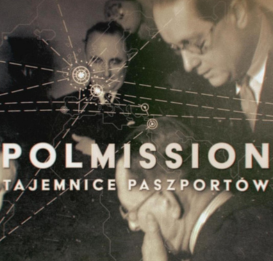
The documentary tells the story of Polish diplomats and their efforts to save Jews during WWII. The film attempts to unravel the complicated mechanisms behind the activities of Polish diplomacy and intelligence, which, in cooperation with governments and institutions of other countries, contributed to saving Jews from all over occupied Europe. As part of this operation, it was possible to save about 3,000 Jews from extermination by issuing false passports of South American countries including Paraguay. Jacek Papis’s film presents conversations with the survivors and their family members.
The film further includes commentaries and opinions presented by historians trying to solve some of the mysteries connected with the passports.
Image | ‘Polmission: Passports’ Secrets’ film cover
A Brilliant Life – Book launch
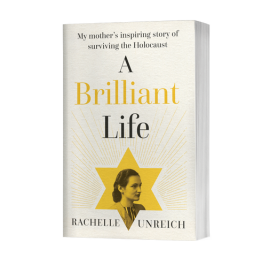
Please join Rachelle Unreich for the book launch of A Brilliant Life at the Melbourne Holocaust Museum.
The powerful true story of a Holocaust survivor told by her daughter – a tale that reminds us of the resilience of the soul and the ability of the heart to heal.
A mother and daughter.
Love. Loss. Wonder.
The story of a brilliant life.
A Brilliant Life will be available for purchase at the event.
Please note due to capacity limit we have stopped sales, therefore please register your interest for an additional event which potentially be held early next year.
How to Talk About the Holocaust with Children
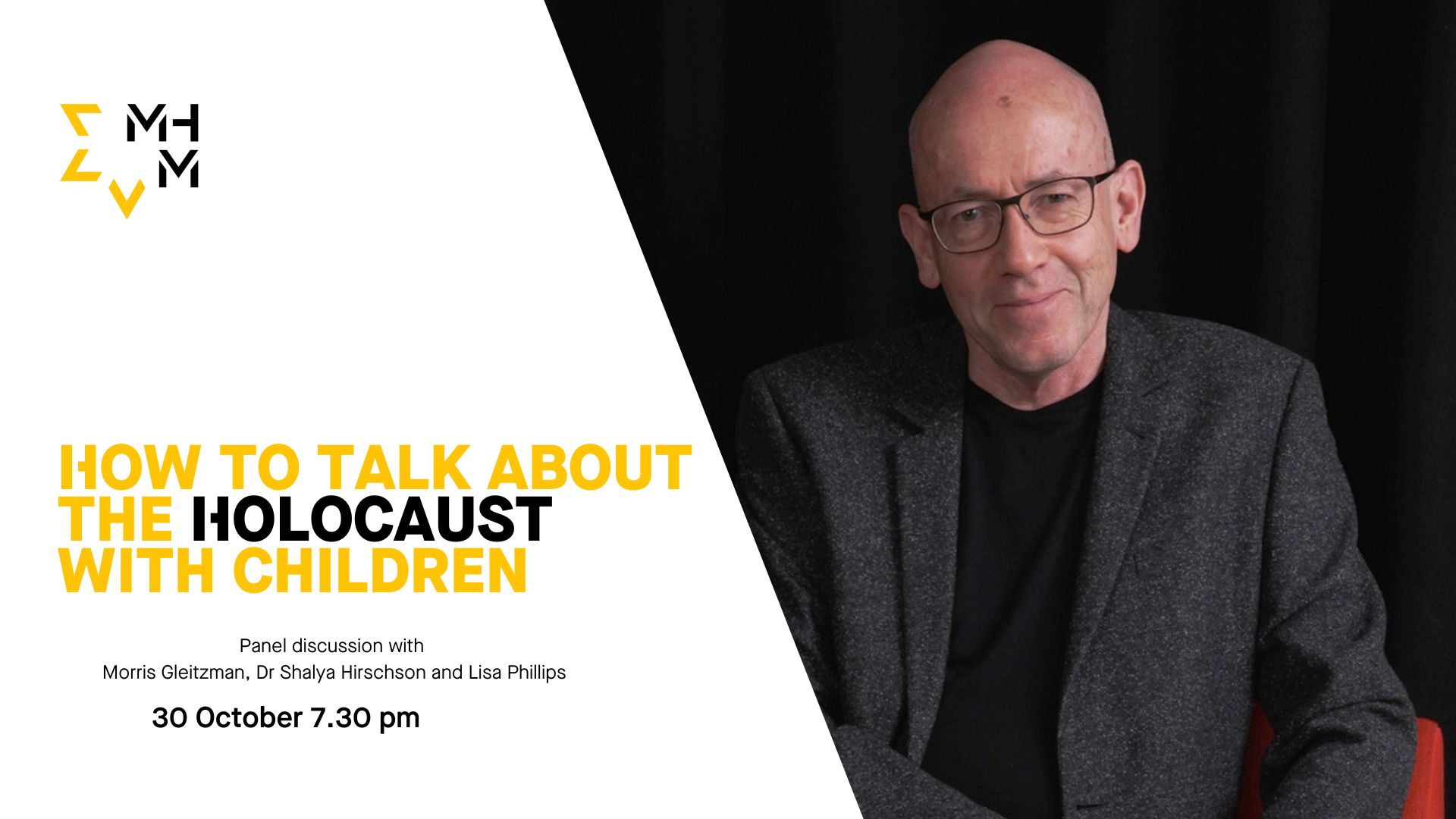
Melbourne Holocaust Museum is excited to host a panel discussion: How to Talk About the Holocaust with Children.
We welcome acclaimed author Morris Gleitzman, Dr Shalya Hirschson a child psychologist and MHM Pedagogy Specialist Lisa Phillips, for an informative conversation moderated by MHM Manager of Adult Education Dr Simon Holloway.
-
Morris Gleitzman
-
Dr Shalya Hirschson
Studying the Holocaust in the 21st Century
The Melbourne Holocaust Museum invites you to join us for a panel discussion about studying the Holocaust at a tertiary level.
Perhaps the most studied subject in the humanities today, the Holocaust continues to attract students all over the world. What is it about this subject that inspires so many young researchers and what are the different destinations to which their studies take them? In this panel discussion, chaired by David Slucki from Monash University, we will encounter the research of four different university students and graduates. In addition to exploring their respective motivations, this is also an opportunity to find out what their experiences studying the Holocaust have been like, and any important discoveries that they made along the way.
-
Sam Bennett
-
Margot Holt
-
Janine Schloss
-
Laura Garland
‘Ngapa William Cooper’ – 7.30 pm
Please join us at Melbourne Holocaust Museum for an exclusive performance featuring Lior & Dr Lou Bennet AM (vocals), The Australian String Quartet, and Andrea Lam (piano).
This event is for the FutureGen community. FutureGen is a new generation of Jewish community members committed to the preservation of Holocaust history and Holocaust education
‘Ngapa William Cooper’ was inspired by the actions of First Nations activist William Cooper in response the persecution of Jews by the Nazi regime on Kristallnacht.
‘Ngapa William Cooper’ is a collaborative creation by renowned composer Nigel Westlake, Lior and Lou Bennett, honouring Cooper’s courage when most were silent.
We are extremely proud to host superb Australian artists at the museum, honouring Indigenous and Jewish lives, in harmony as it should be.
Part of the proceeds from this event will be donated to Magen David Adom in support of Israel.
This event is supported by The Humanity Foundation.
‘Ngapa William Cooper’ – 5.00 pm
Please join us at Melbourne Holocaust Museum for an exclusive performance featuring Lior & Dr Lou Bennet AM (vocals), The Australian String Quartet, and Andrea Lam (piano).
This event is for our volunteers and senior community.
‘Ngapa William Cooper’ was inspired by the actions of First Nations activist William Cooper in response the persecution of Jews by the Nazi regime on Kristallnacht.
‘Ngapa William Cooper’ is a collaborative creation by renowned composer Nigel Westlake, Lior and Lou Bennett, honouring Cooper’s courage when most were silent.
We are extremely proud to host superb Australian artists at the museum, honouring Indigenous and Jewish lives, in harmony as it should be.
Part of the proceeds will be donated to Magen David Adom in support of Israel.
This event is supported by The Humanity Foundation.
Holocaust Education Course October 2023
Please join us for our nine-week Holocaust Education Course.
This course, running over a series of consecutive weeks, spans the history of the Holocaust from the 19th century through to the liberation of the camps and return to life. Each evening will run from 7-9pm with coffee and tea provided.
The course will be facilitated by MHM Manager of Adult Education Dr Simon Holloway and Co-President Sue Hampel OAM, with each evening dedicated to a particular theme.
Dates and topics are as follows:
Week 1: The World that Was (Thursday, 12 October)
Week 2: From the Cross to the Swastika (Thursday, 19 October)
Week 3: The Rise and Fall of German and Austrian Jewry (Thursday, 26 October)
Week 4: The Concentration Camp Universe (Thursday, 2 November)
Week 5: No session (Rosenkranz Oration at MHM)
Week 6: Death and Life in the Nazi Ghettos ( Thursday, 16 November)
Week 7: Life Unworthy of Life: The Origins of the Final Solution (Thursday, 23 November)
Week 8: By Any Means Available: Jewish Resistance (Thursday, 30 November)
Week 9: A Survey of Non-Jewish Responses to the Holocaust ( Tuesday, 5 December)
Week 9: Liberation and Return to Life (Thursday, 7 December)
If you have any further questions about the course, please contact simon.holloway@mhm.org.au for further information.
Please register in advance and secure a place.
Image | Prisoners head south on a Death March from Dachau concentration camp; Gruenwald, Germany, 29 April, 1945. Courtesy of Yad Vashem.
Survival and Sanctuary
Please join Freda Hodge and acclaimed scholar Professor Emeritus Paul Bartrop for the book launch of Survival and Sanctuary: Testimonies of the Holocaust and Life Beyond, at the Melbourne Holocaust Museum (MHM).
Translated into English for the first time, Survival and Sanctuary provides a window into the experiences of survivors through seven testimonies. The book is an exploration of the tension between hope and despair in the aftermath of war, and ultimately a demonstration of the power of the human will.
Come along to this event, to hear about the process of creating this detailed account from from translator Freda Hodge and launcher Paul Bartrop.
Published by Monash University Publishing Survival and Sanctuary will be available for purchase at the event.
-
Freda Hodge
-
Paul Bartrop